
Erteqaa Project: Building the Capacity of Egyptian Civil Society Organizations
As part of its Governance and Institutional Development Program, The National Foundation for Peace, Development and Human Rights participated in the “Erteqaa” Project for Building the Capacity of Egyptian Civil Society Organizations in 2025. The project is implemented by CARE Egypt and funded by the Sawiris Foundation for Social Development. It aims to strengthen institutional capacity, improve management systems, and enhance the readiness of civil society organizations to deliver more effective and sustainable programs.
The Foundation’s team participated in a comprehensive capacity-building program comprising specialized training workshops on scenario planning, empowerment and financial sustainability, gender mainstreaming, results-based management, and monitoring and evaluation. These activities contributed to developing staff skills and strengthening their ability to undertake strategic planning and manage programs and projects in accordance with international best practices.
This participation represents part of the Foundation’s vision of achieving institutional excellence through continuous investment in staff development, improvement of internal policies and procedures, and the promotion of governance, transparency, and accountability. These efforts aim to enhance institutional performance, improve the quality and efficiency of services, and ensure long-term organizational sustainability.
The project builds on the Foundation’s ongoing journey of institutional capacity development spanning more than ten years. The Foundation believes that the continuous improvement of systems and human resources is fundamental to maximizing development impact and strengthening its position as an active development partner committed to quality standards and good governance.
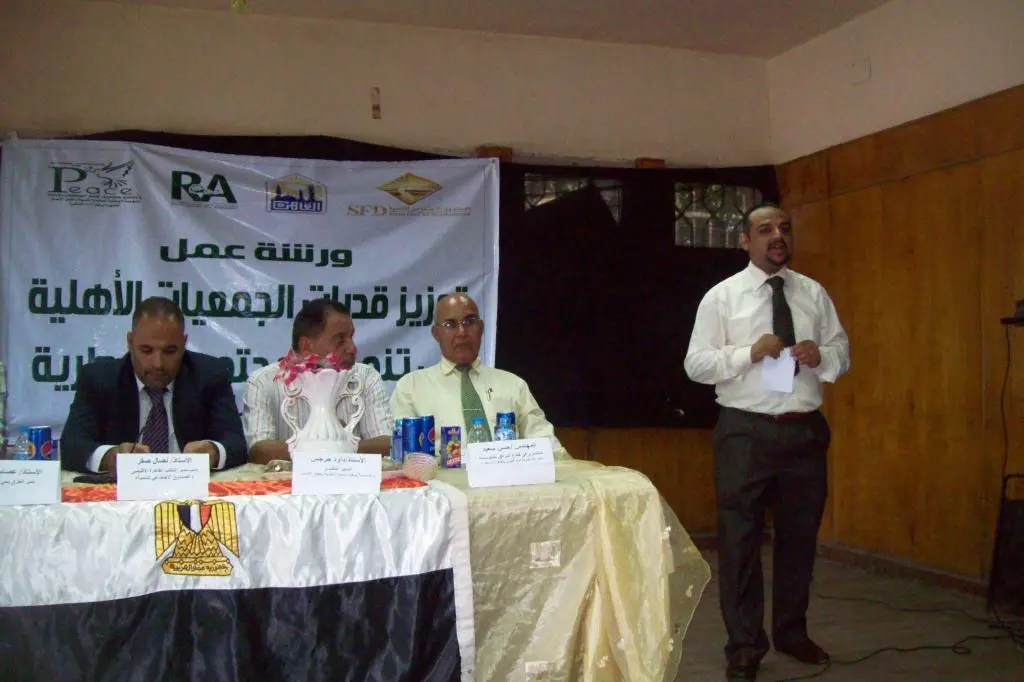
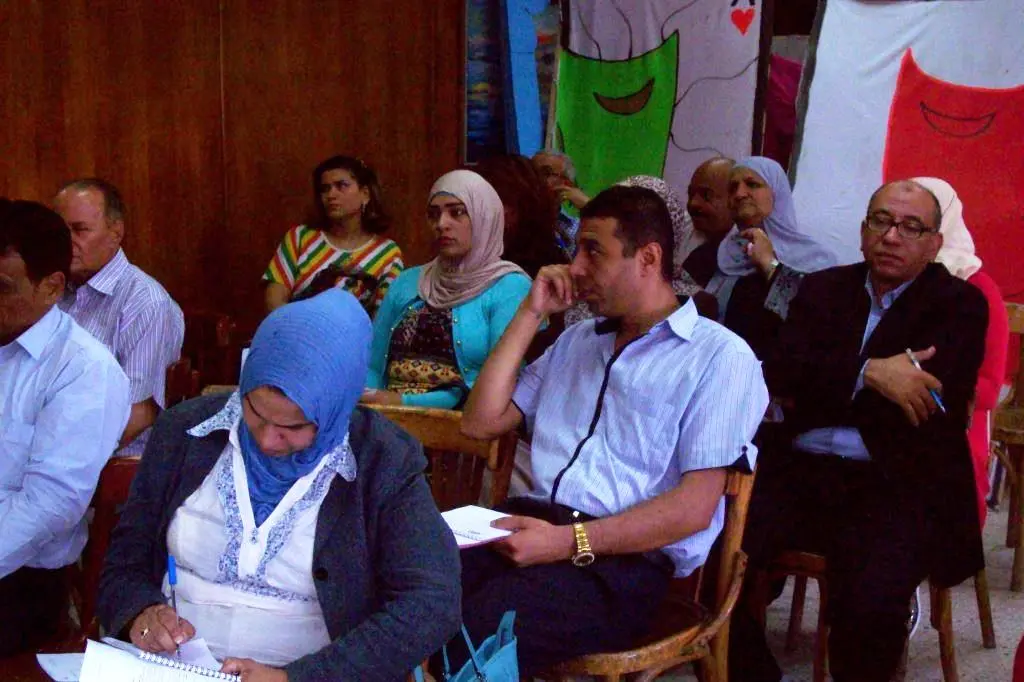
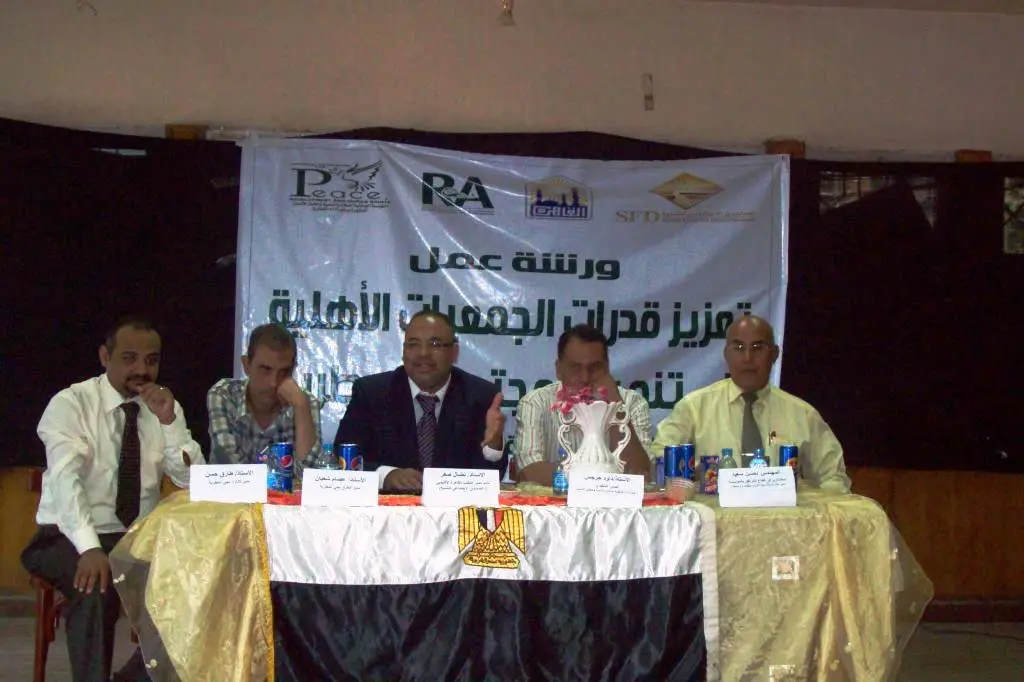
Civil Society Organizations Capacity-Building Program – Institutional Development and Gold Certification
As part of its Governance and Institutional Development Program, The National Foundation for Peace, Development and Human Rights participated in the Civil Society Organizations Capacity-Building Program from 2023 to November 2024, implemented by the American University of Beirut (AUB). The Foundation was one of five Egyptian organizations selected to participate in the program.
The program aimed to strengthen institutional governance, improve administrative and financial systems, and enhance the efficiency of civil society organizations in accordance with international best practices and standards. Throughout the program, the Foundation successfully developed and updated its institutional policies and procedures to align with 10 international standards covering governance and management, strategic planning, financial management, risk management, human resources, legal affairs, program and project management, asset and resource management, grant writing and resource mobilization, and partnerships and institutional communication. The program also reinforced the Foundation’s commitment to integrity, transparency, accountability, and the prevention of corruption and conflicts of interest.
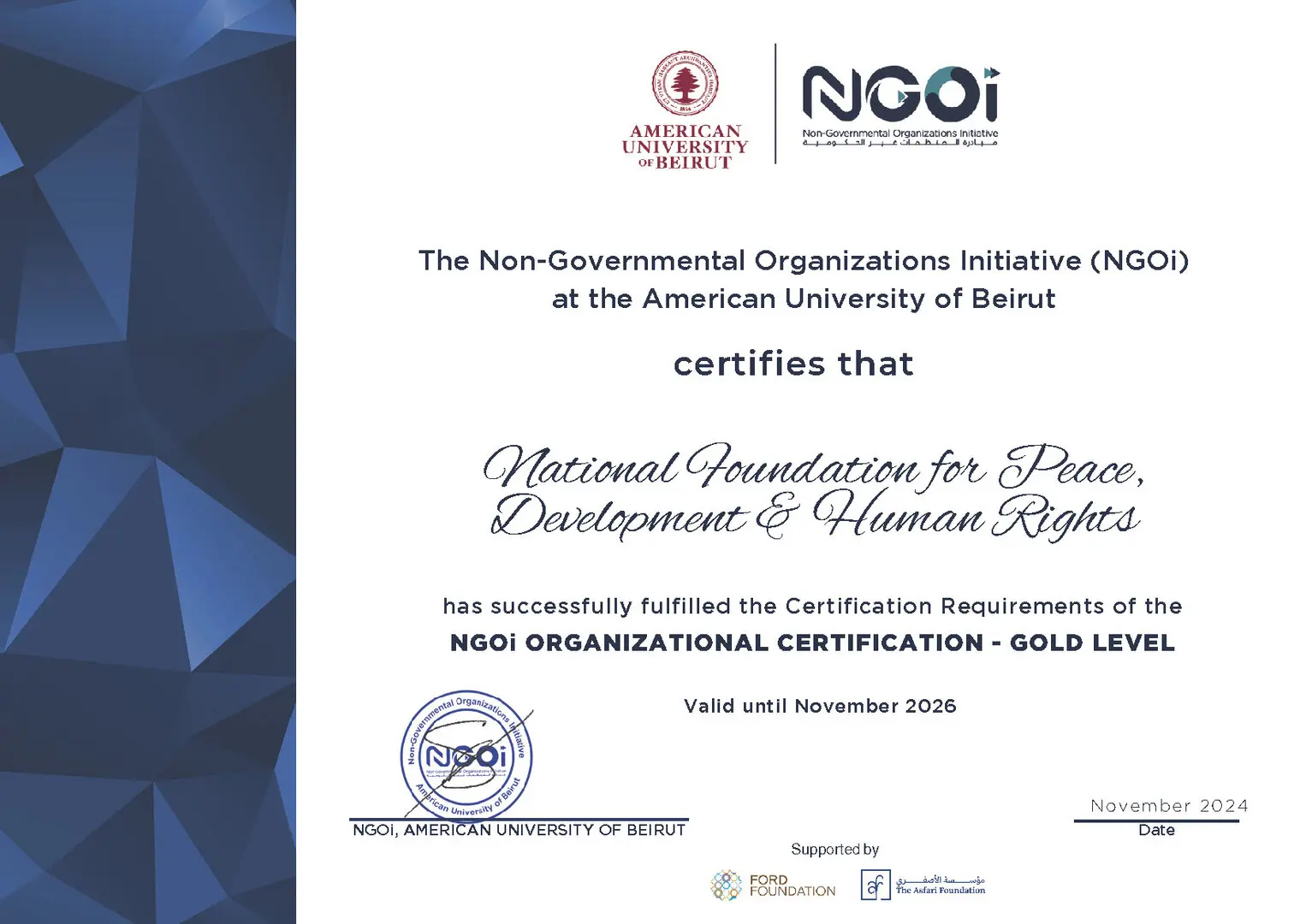
After fulfilling all program requirements and implementing the international standards across its institutional systems, regulations, and operational policies, the Foundation was awarded the Gold Certificate by the American University of Beirut. It was also recognized as a member of the American University of Beirut Network.
This achievement reflects the Foundation’s ongoing commitment to institutional excellence, good governance, and continuous improvement. It also strengthens the Foundation’s readiness to operate in accordance with the requirements of donors and local and international partners, contributing to institutional sustainability and improving the quality of the services and programs it delivers.
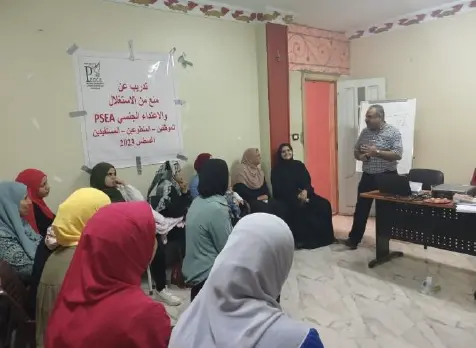
Training on Protection from Sexual Exploitation and Abuse (PSEA)
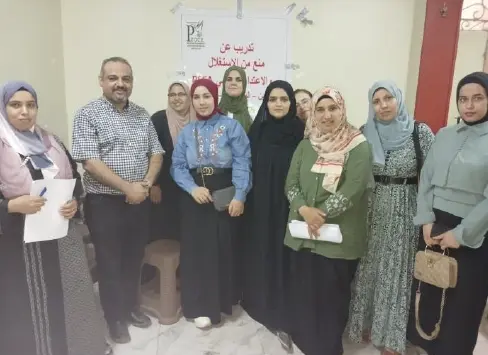
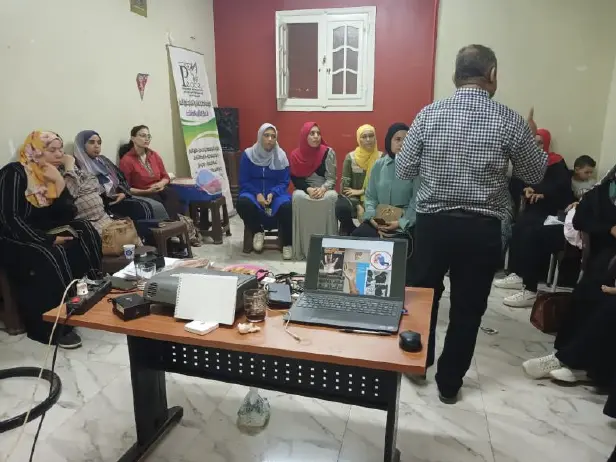
As part of its Governance and Institutional Development Program, The National Foundation for Peace, Development and Human Rights conducted training on Protection from Sexual Exploitation and Abuse (PSEA) for its staff and volunteers. The training formed part of the Foundation’s ongoing efforts to strengthen governance, establish a safe working environment, uphold the principles of integrity and accountability, and protect beneficiaries.
The training focused on enhancing participants’ capacity to implement the Foundation’s PSEA policy, clarifying institutional roles and responsibilities, and introducing prevention and response mechanisms. It also covered beneficiary complaint management, safe reporting channels, information confidentiality, and the protection of whistleblowers and witnesses, in accordance with international standards and donor requirements.
This training is part of the Foundation’s capacity-building plan for staff and volunteers, aimed at strengthening compliance with institutional policies and improving protection and risk-management systems. These efforts contribute to fostering a culture of accountability and transparency and ensuring that services and programs are delivered in a safe environment that respects the dignity of all beneficiaries and safeguards their rights.
Workshop on the Law Regulating the Practice of Civil Society Work
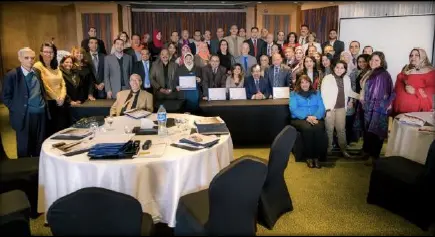
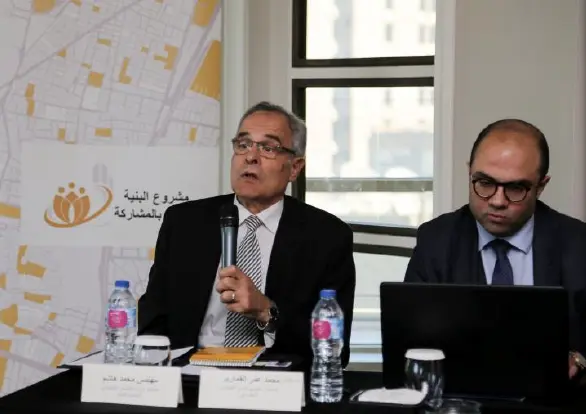
As part of its Governance and Institutional Development Program, The National Foundation for Peace, Development and Human Rights participated in a workshop on the Law Regulating the Practice of Civil Society Work. The workshop was organized by the Local Initiatives Fund, under the Participatory Infrastructure Project, in cooperation with the German Agency for International Cooperation (GIZ) and the Ministry of Social Solidarity. It brought together 65 representatives of civil society organizations from Cairo, Giza, and Qalyubia Governorates.
The workshop aimed to strengthen civil society organizations’ understanding of the provisions of the Law Regulating the Practice of Civil Society Work and its executive regulations. It also sought to clarify the legal and administrative obligations that contribute to strengthening institutional compliance, improving the management of civil society associations, and promoting the principles of governance, transparency, and accountability.
The workshop covered explanations of the law’s key provisions and amendments governing civil society work, followed by an open discussion and responses to participants’ questions. These activities helped strengthen civil society organizations’ capacity to apply legal requirements effectively and adopt sound management practices, ultimately contributing to improved institutional performance and the sustainability of development work.
Governance and Institutional Development Program
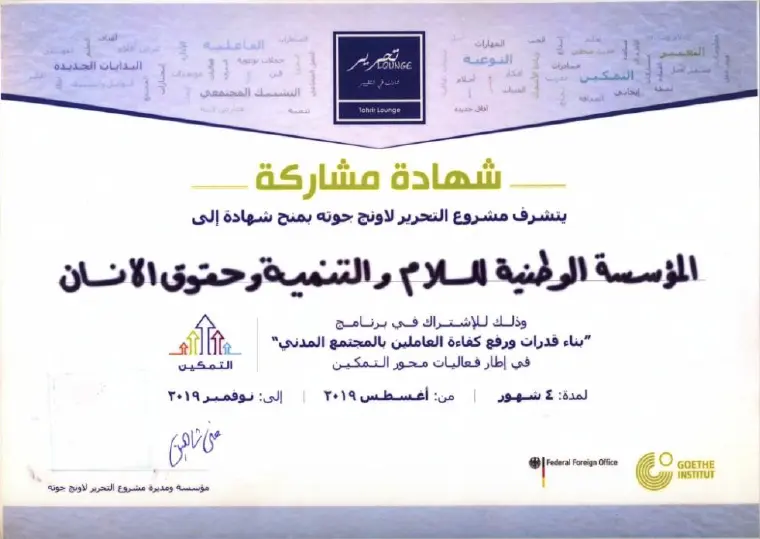
As part of its Governance and Institutional Development Program, the National Foundation for Peace, Development and Human Rights participated in the Tahrir Lounge Program, one of the programs of the Goethe-Institut, after being selected among 26 civil society organizations to benefit from a specialized training grant aimed at building institutional capacity and enhancing the efficiency of non-profit organizations in Egypt.
The program included a series of 11 specialized training sessions focused on developing institutional systems and improving staff performance. The training covered a range of topics, including governance, good internal governance, resource mobilization and fundraising, volunteer management, project proposal writing, marketing and institutional communication, the Sustainable Development Goals (SDGs) 2030, performance indicators, community initiative management, financial management, networking, and advocacy.
The program contributed to strengthening the Foundation’s administrative and technical capacities, improving its planning, management, and governance practices, and enhancing its ability to design and manage development programs, mobilize resources, and build partnerships. These improvements support the adoption of international best practices, enhance institutional performance, and promote the sustainability of civil society work.
Governance and Institutional Development Program
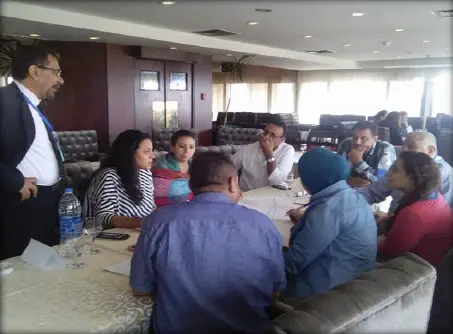
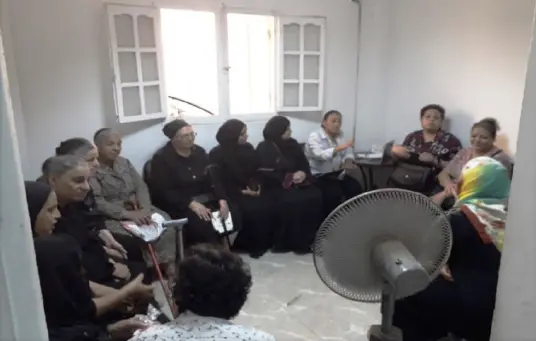
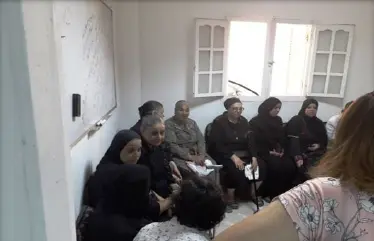
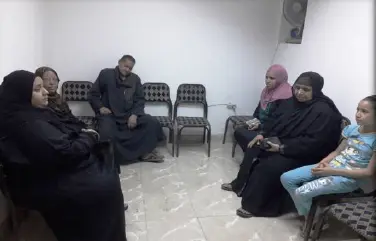
As part of its Governance and Institutional Development Program, the National Foundation for Peace, Development and Human Rights conducted a community needs assessment by organizing a focus group discussion with a number of women from the target areas, in preparation for the implementation of a project supported by the German Agency for International Cooperation (GIZ).
The assessment aimed to identify the priorities and needs of the target households and analyze the social and economic challenges they face. The findings were intended to inform the design of development interventions that respond to the community’s actual needs and achieve a more sustainable impact.
This assessment reflects the Foundation’s commitment to applying evidence-based planning methodologies and conducting needs assessments before designing programs and projects. These practices enhance planning efficiency, support informed decision-making, and improve the quality of development interventions in accordance with the principles of good governance and results-based management.
Governance and Institutional Development Program
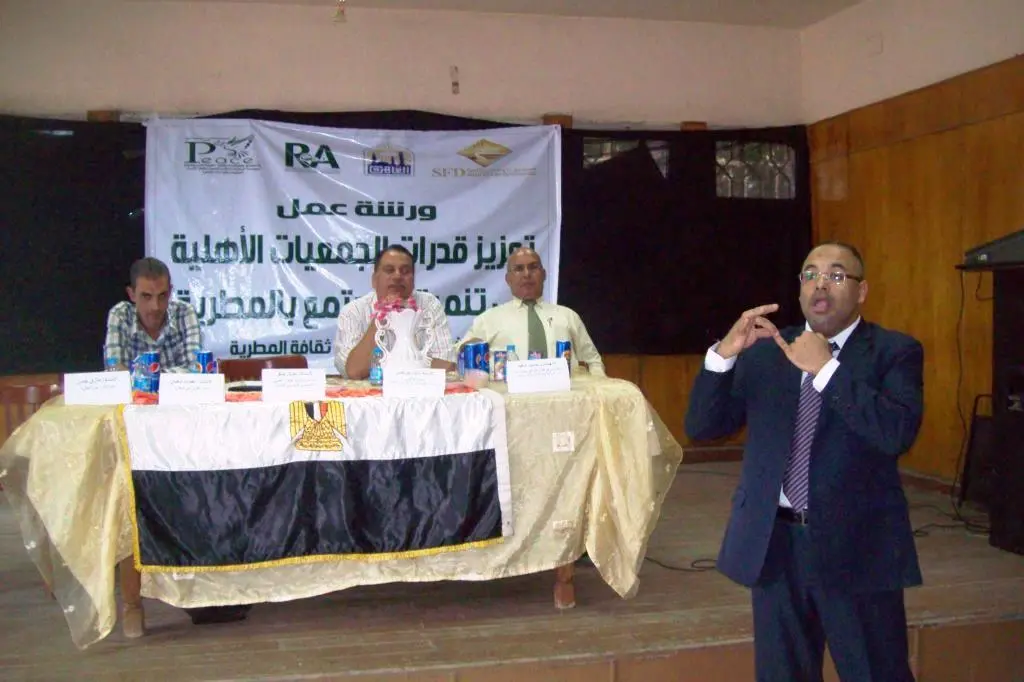
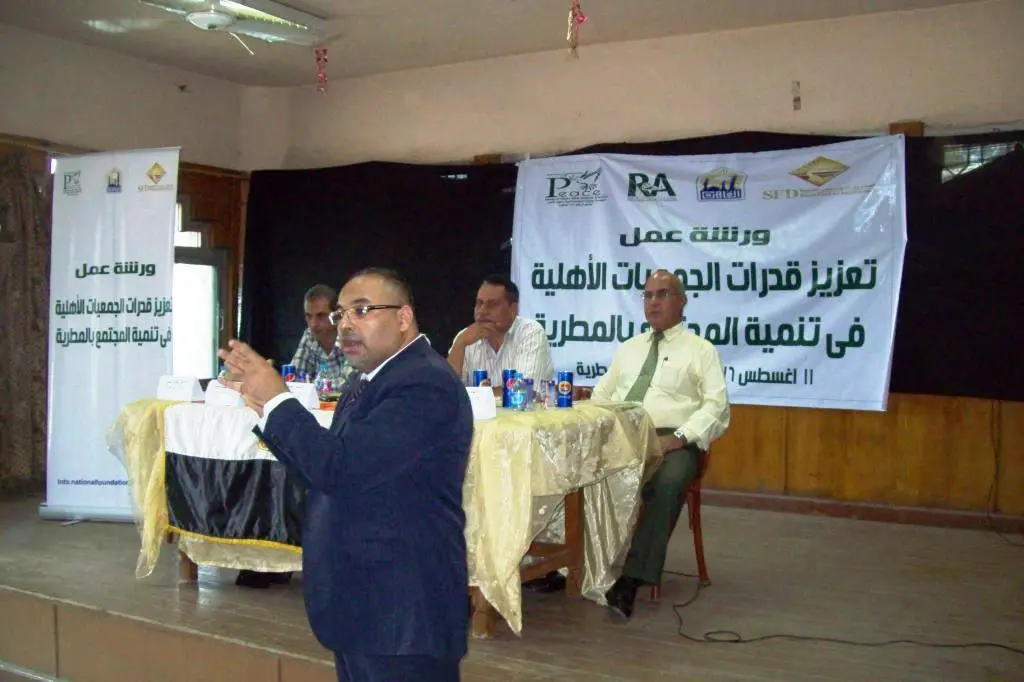
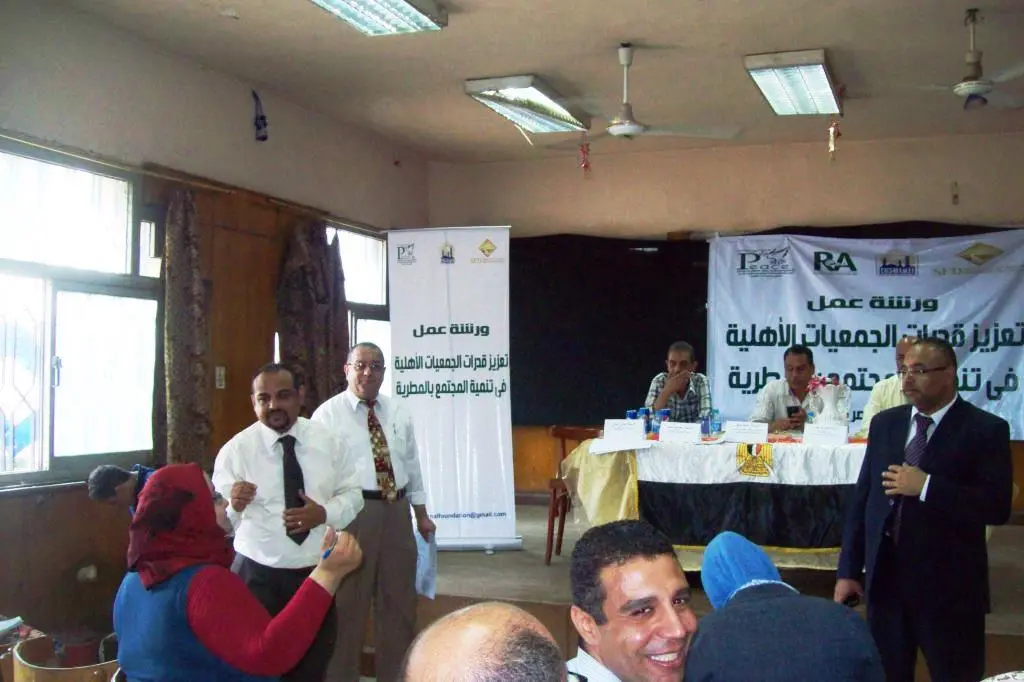
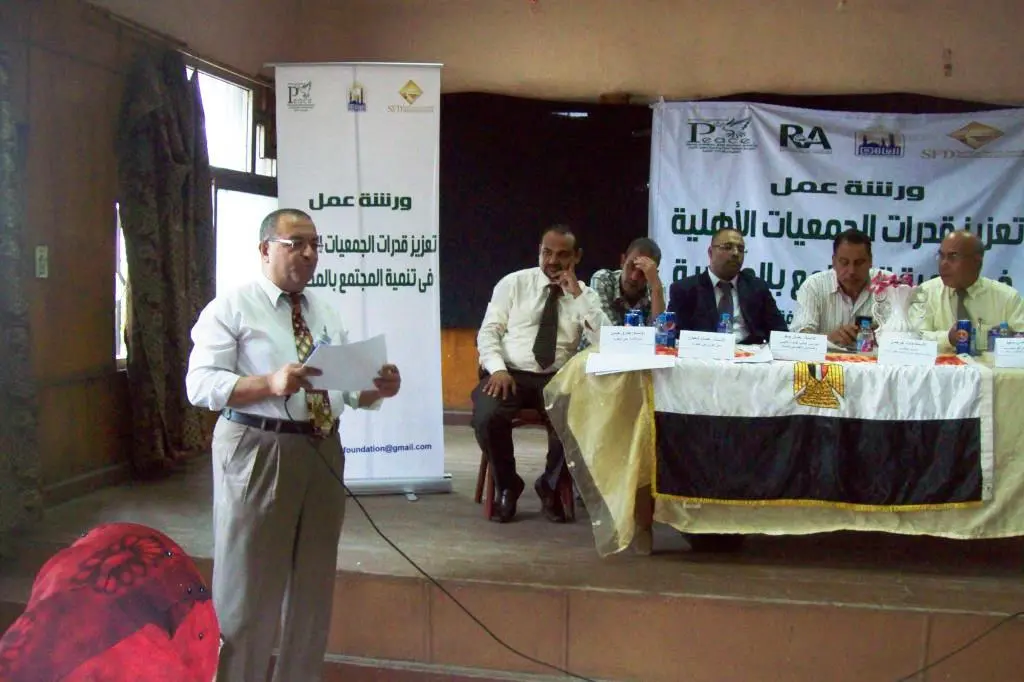
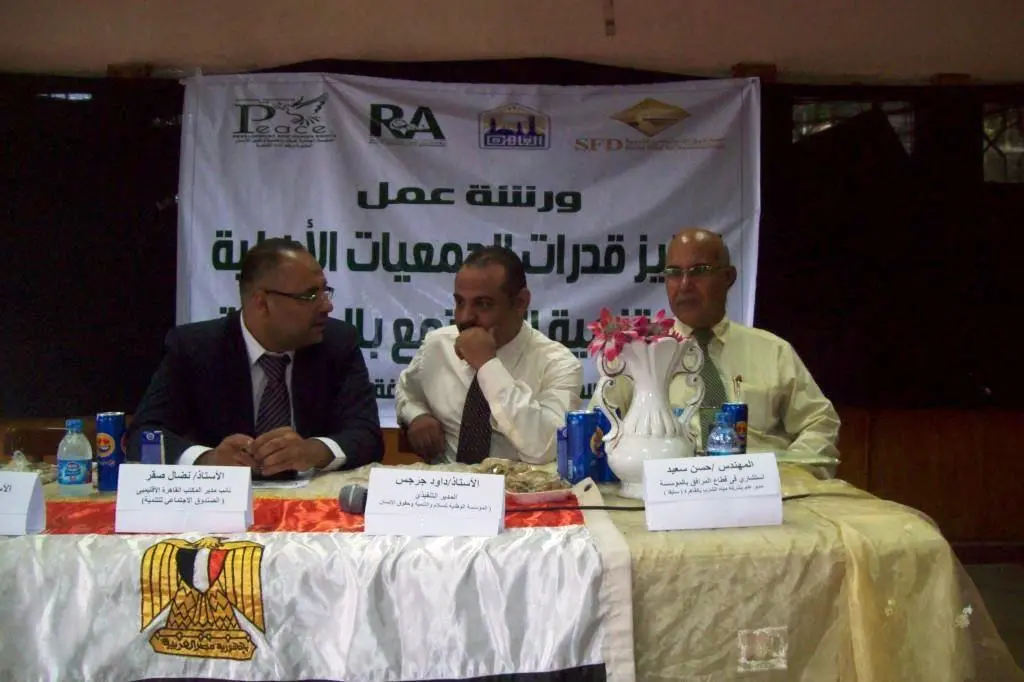
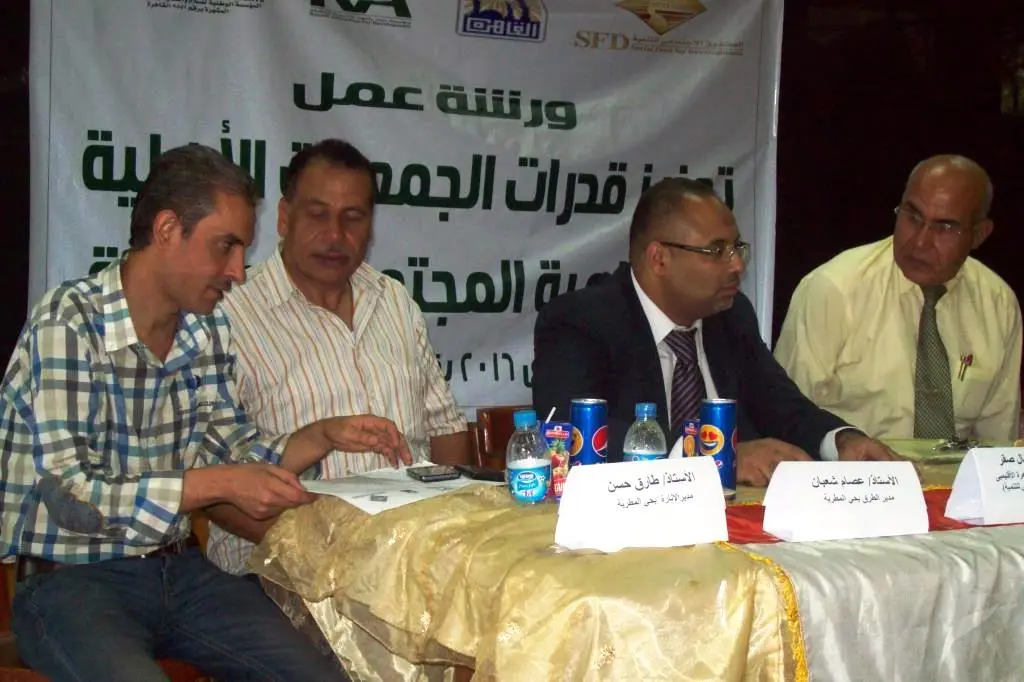
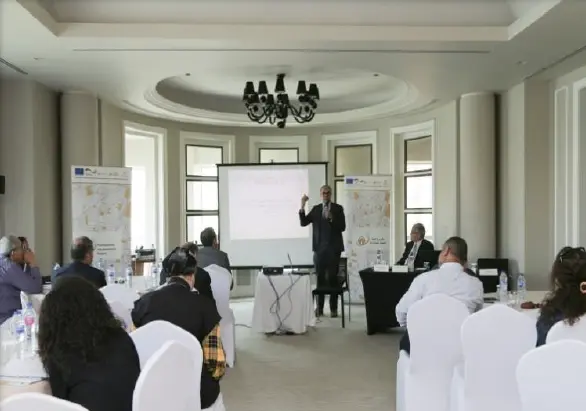
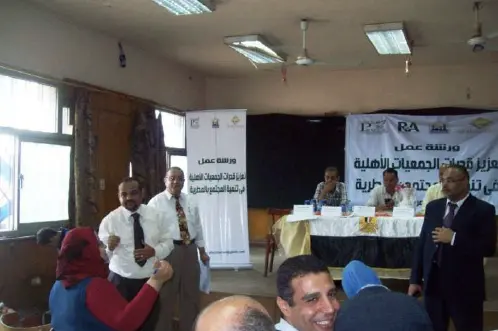
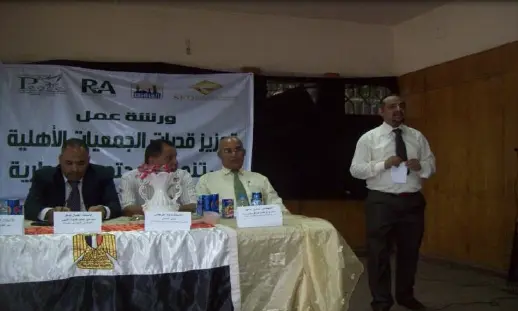
As part of its Governance and Institutional Development Program, the National Foundation for Peace, Development and Human Rights, in cooperation with the Social Fund for Development and the Matariya District Authority, conducted a workshop for 30 representatives of civil society organizations working in the field of development. The workshop aimed to strengthen their institutional capacities and enhance their efficiency in designing and managing development projects.
The workshop focused on reviewing local development priorities and infrastructure needs in the Matariya area, including street lighting, roads, drinking water, sewage networks, and sanitation. It also explored mechanisms through which civil society organizations can contribute to local development plans by designing and implementing development projects in partnership with government entities.
Furthermore, the workshop aimed to build the institutional governance and management capacities of civil society organizations and prepare them to secure grants and manage funded projects efficiently. The Foundation provided participants with a range of institutional guidelines and templates, including internal bylaws, document management procedures, and administrative and financial forms. These resources were intended to strengthen institutional compliance, improve management systems, and enhance the readiness of civil society organizations to implement sustainable development projects in accordance with the principles of good governance, transparency, and accountability.
Governance and Institutional Development Program
As part of its Governance and Institutional Development Program, the National Foundation for Peace, Development and Human Rights participated in the Institutional Sustainability Project for Civil Society Organizations, implemented by the German Agency for International Cooperation (GIZ) through a training grant. The project aimed to strengthen institutional capacities, enhance staff competencies, and establish sound governance and sustainability practices within civil society organizations.
The project sought to develop the capacities of the Foundation’s members and staff through a comprehensive training program covering several key areas, including strategic planning, program effectiveness, monitoring and evaluation, institutional financial sustainability, gender analysis, the use of Geographic Information Systems (GIS) and satellite-based mapping in development planning, and social entrepreneurship.
The Foundation’s participation contributed to strengthening its capacity for evidence-based planning and program management, developing its monitoring and evaluation systems, improving resource management, and enhancing financial sustainability. These improvements support higher institutional performance standards and strengthen the Foundation’s readiness to implement development programs in accordance with international best practices and good governance standards.