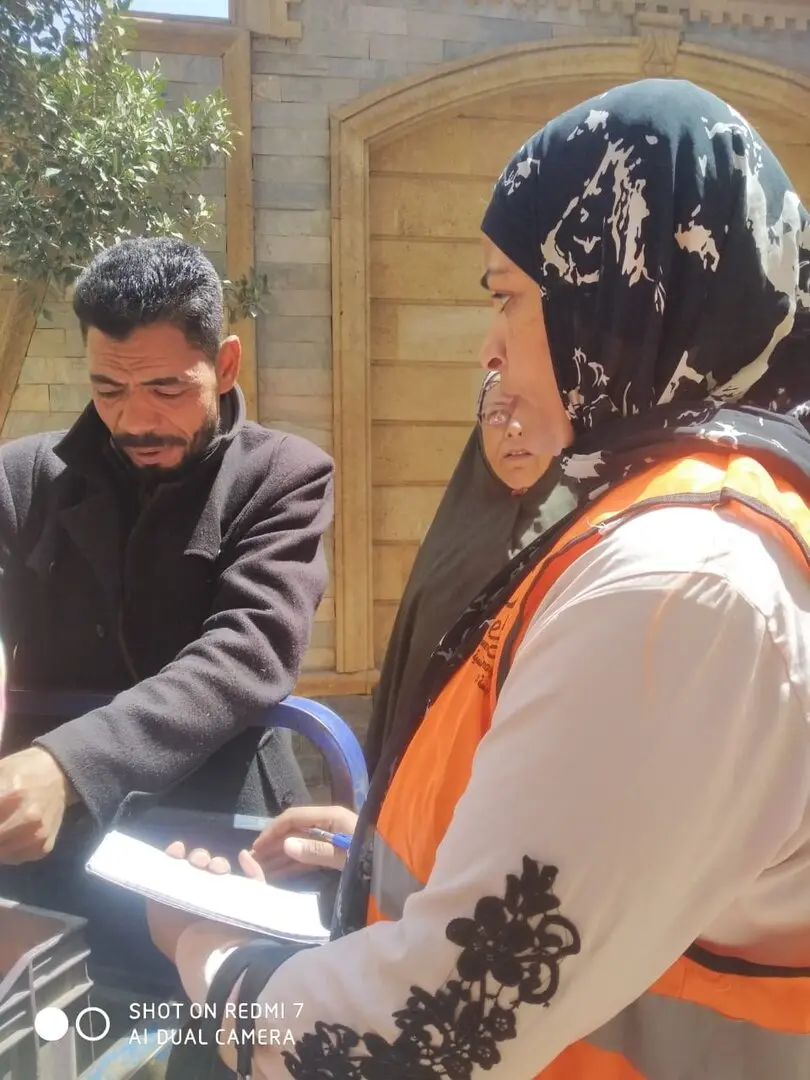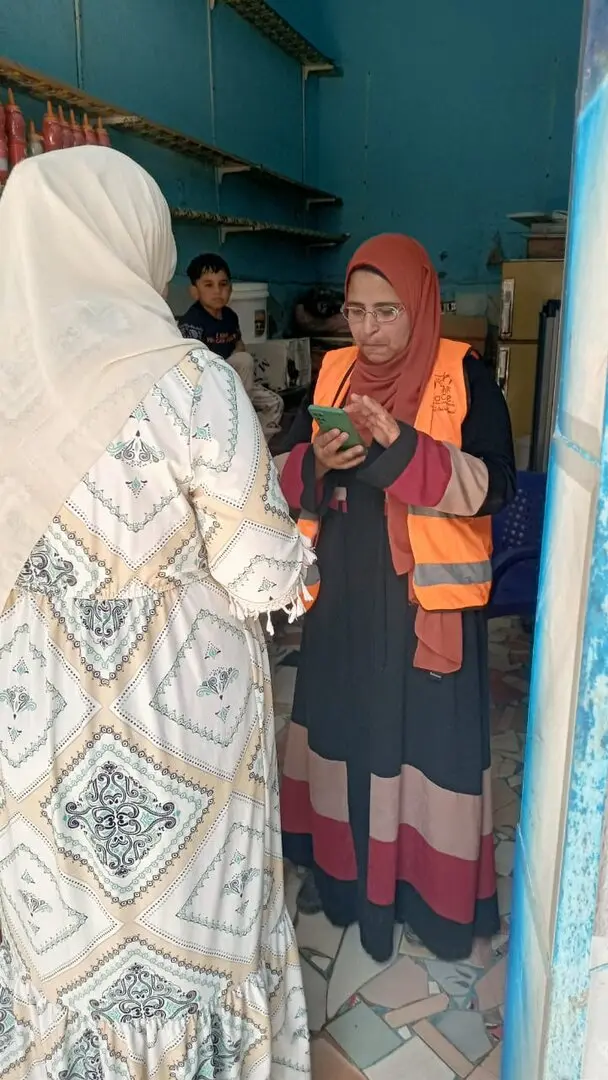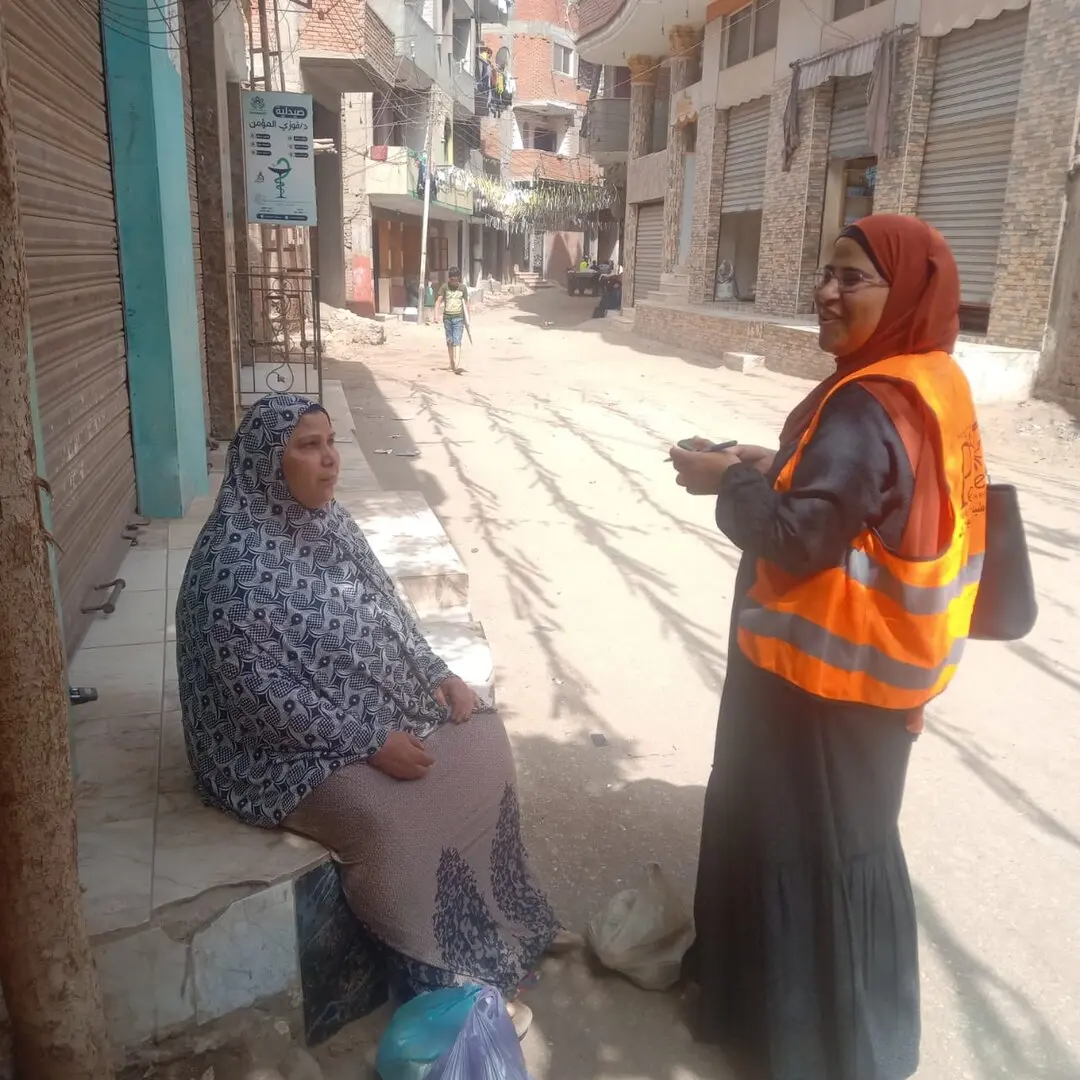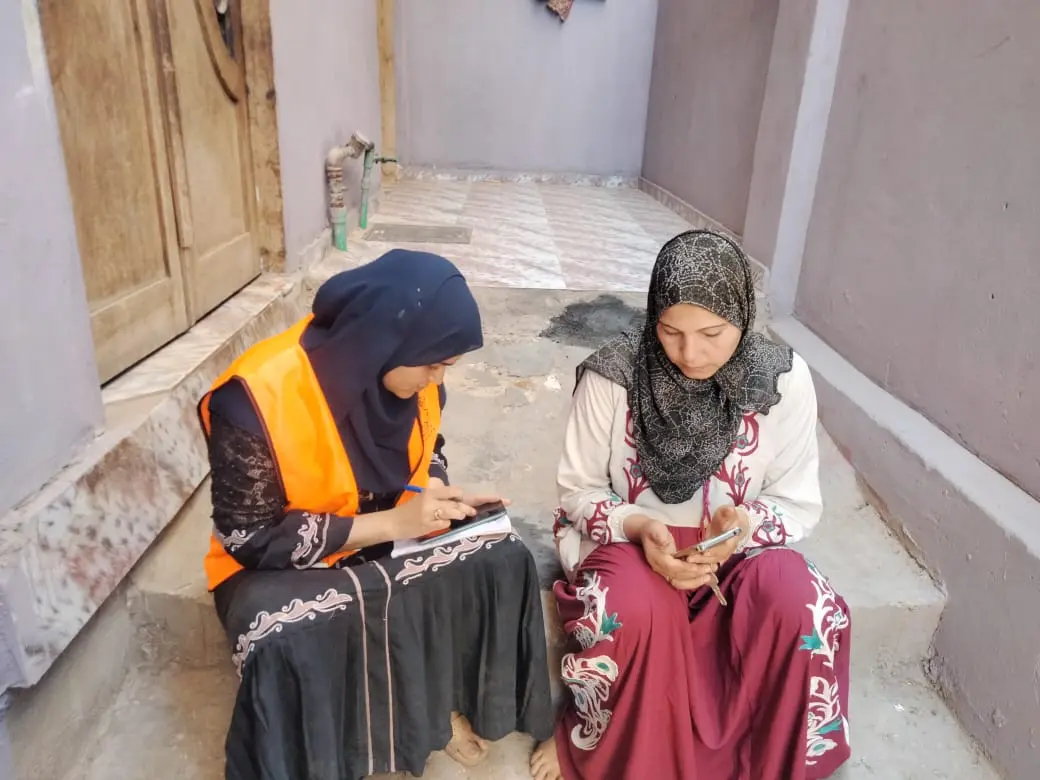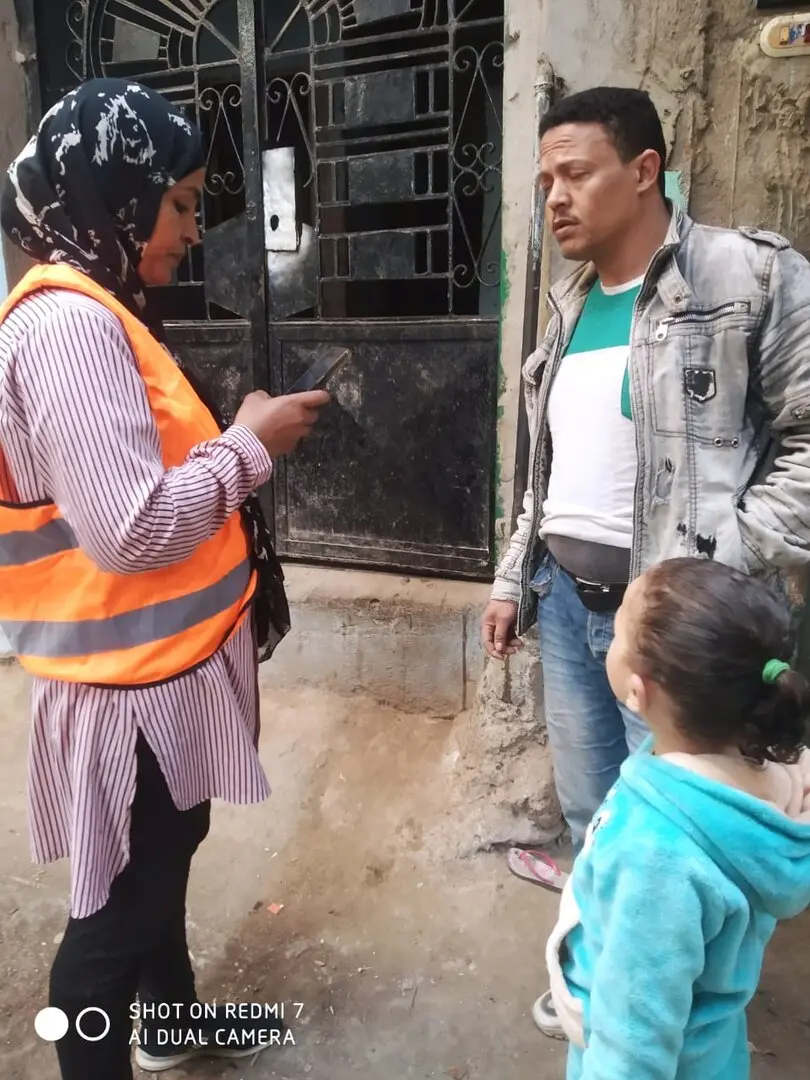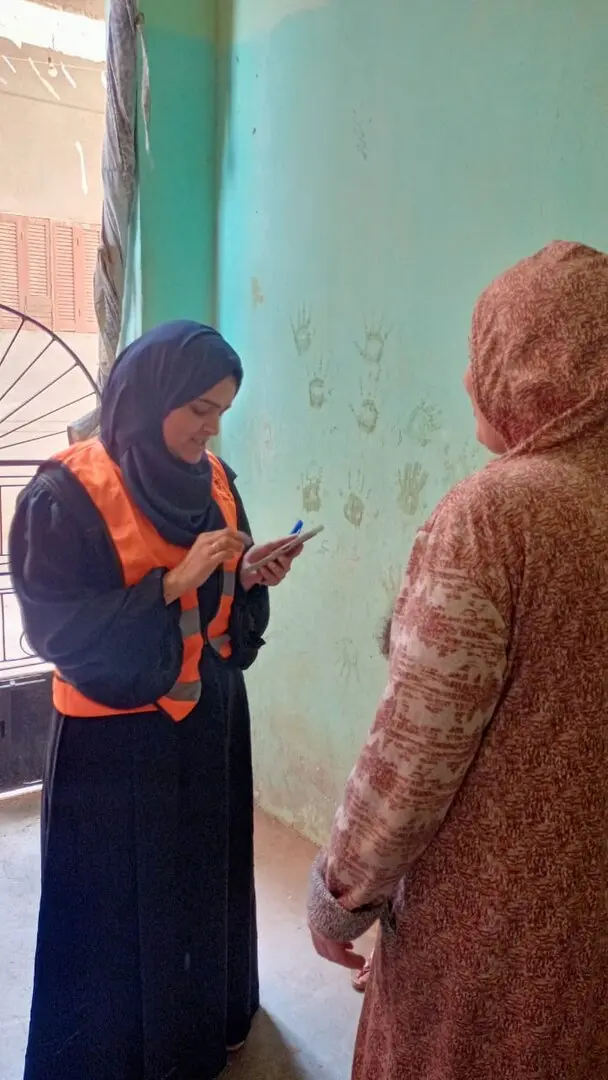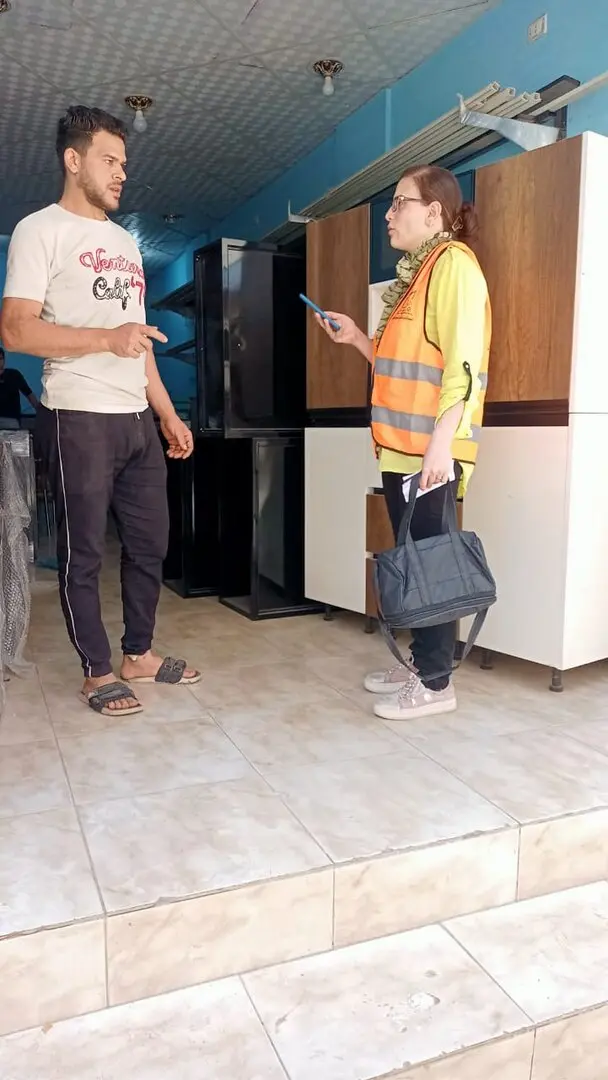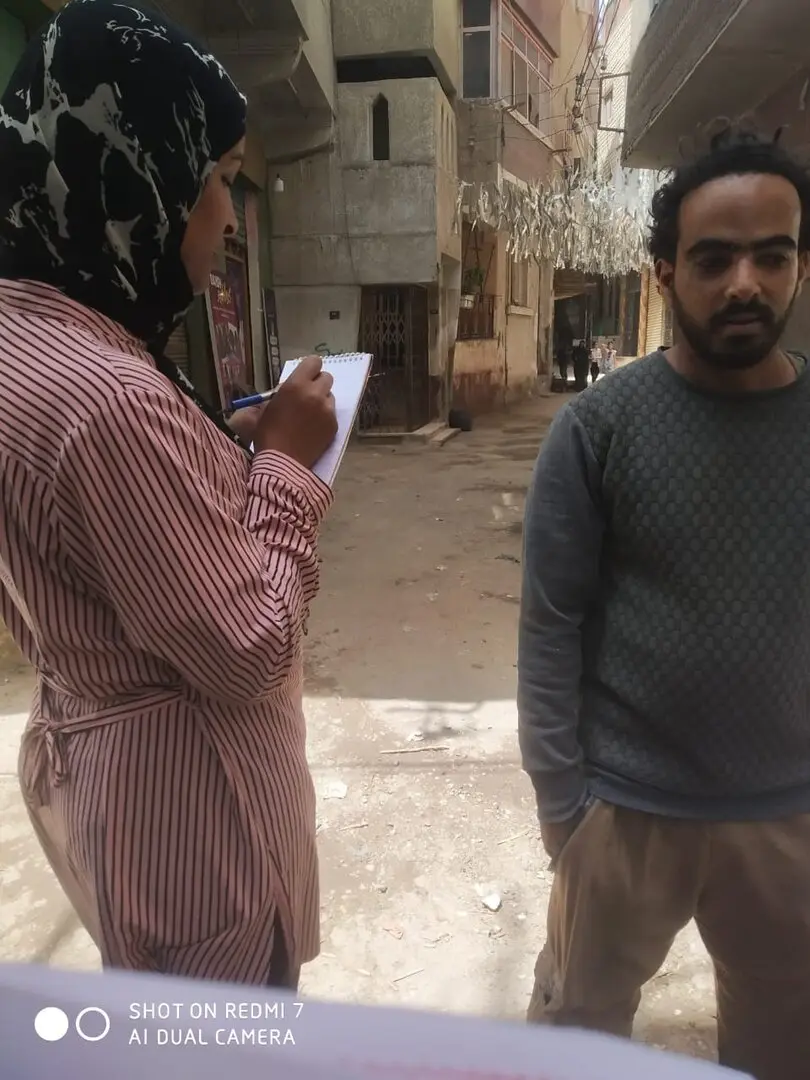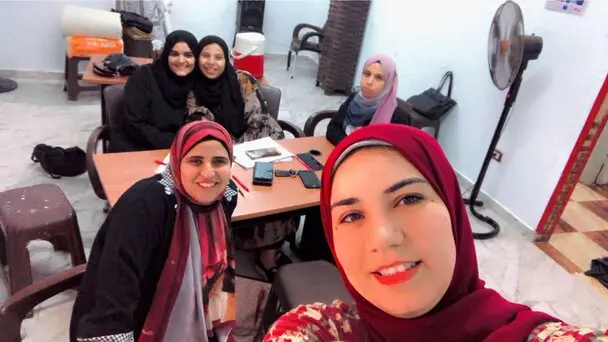

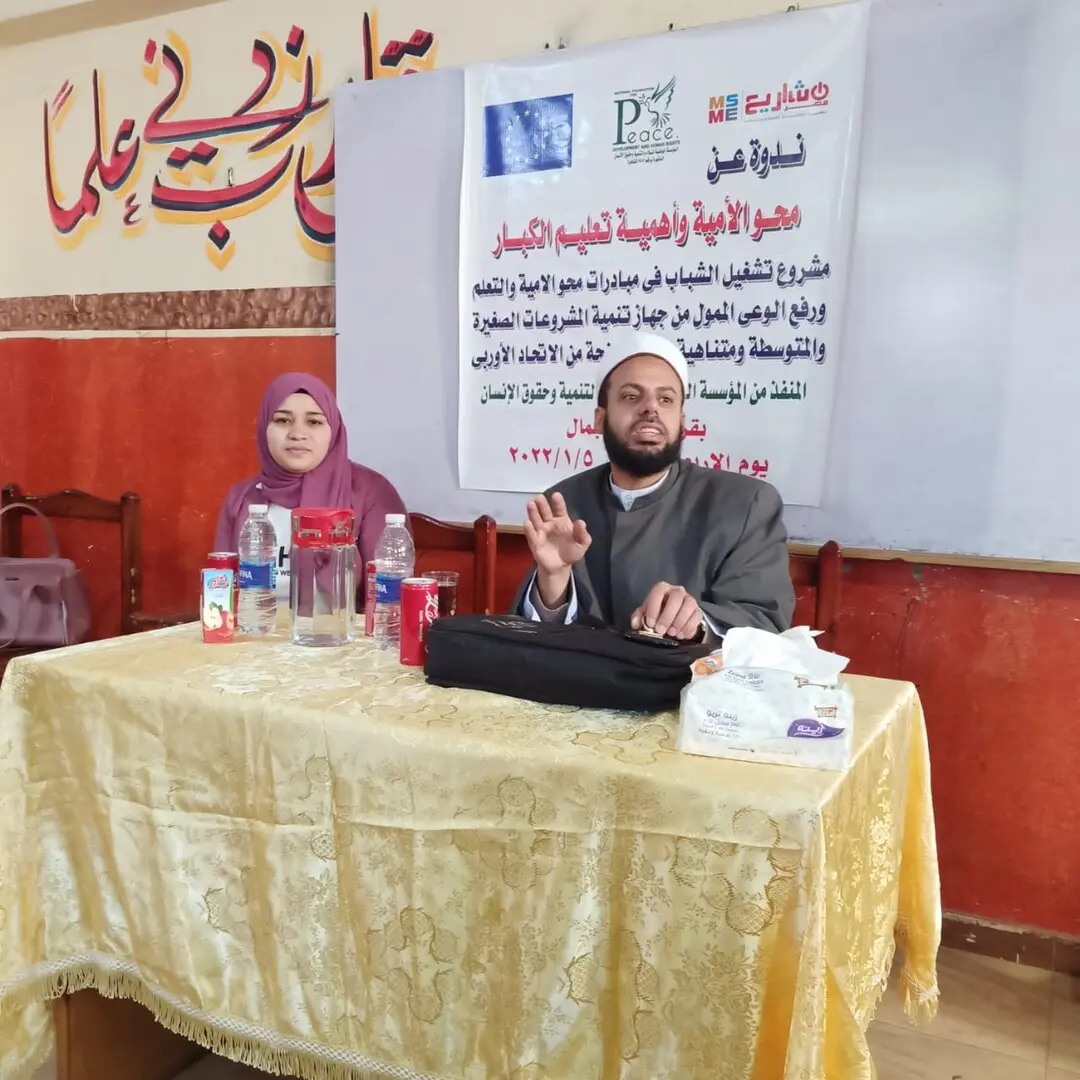
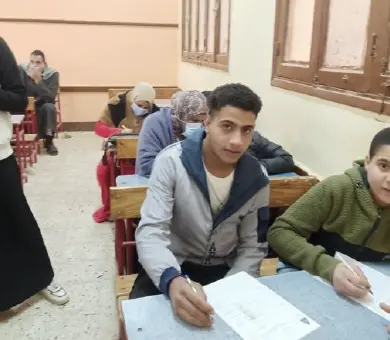
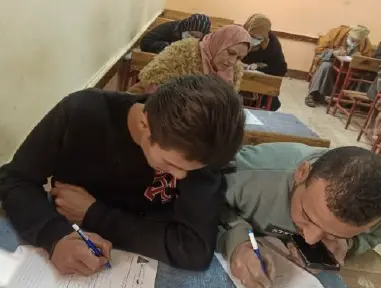
The project, implemented over a period of 18 months in Toukh District, contributed to addressing irregular migration issues by combining economic empowerment with community awareness. It provided temporary employment opportunities for young people by hiring them as teachers in literacy classes, thereby offering them a source of income and practical work experience while supporting efforts to reduce illiteracy within the community.
The project initially aimed to provide literacy education to 600 learners and prepare them to obtain literacy certificates. However, increased demand and high illiteracy rates in the district, particularly among young people, led to the target being exceeded. A total of 1,451 learners received literacy education, and 880 successfully obtained literacy certificates, exceeding the original target by more than 30%.
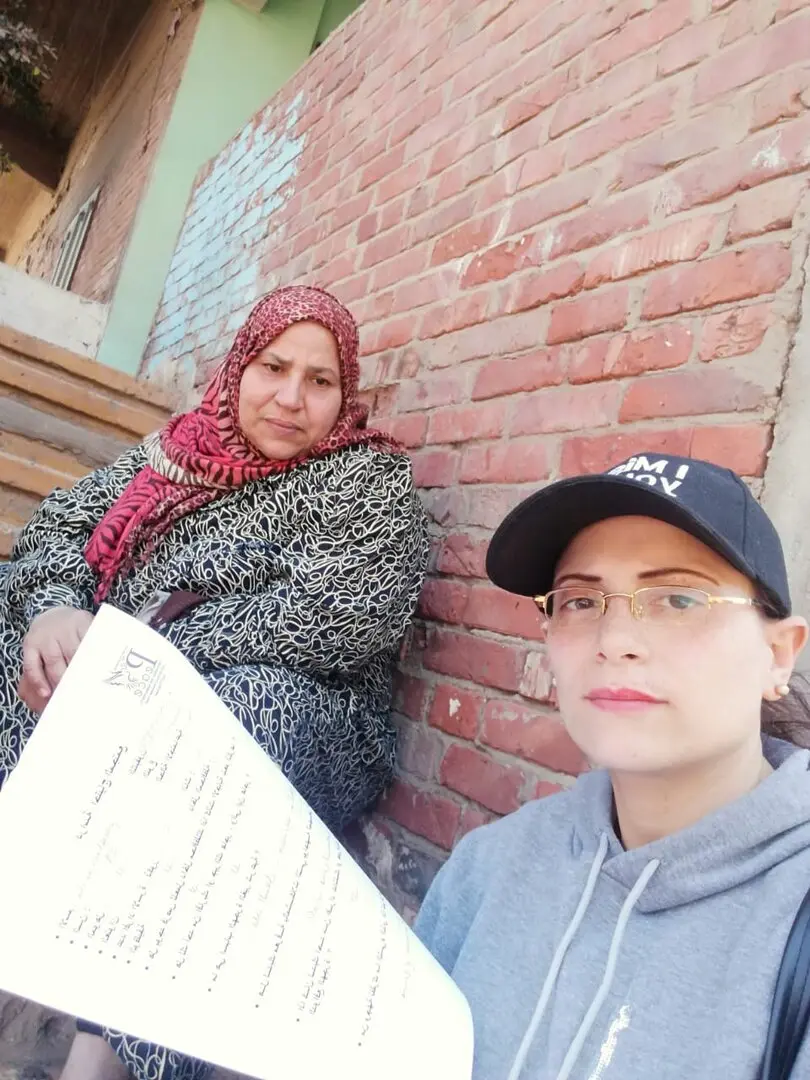
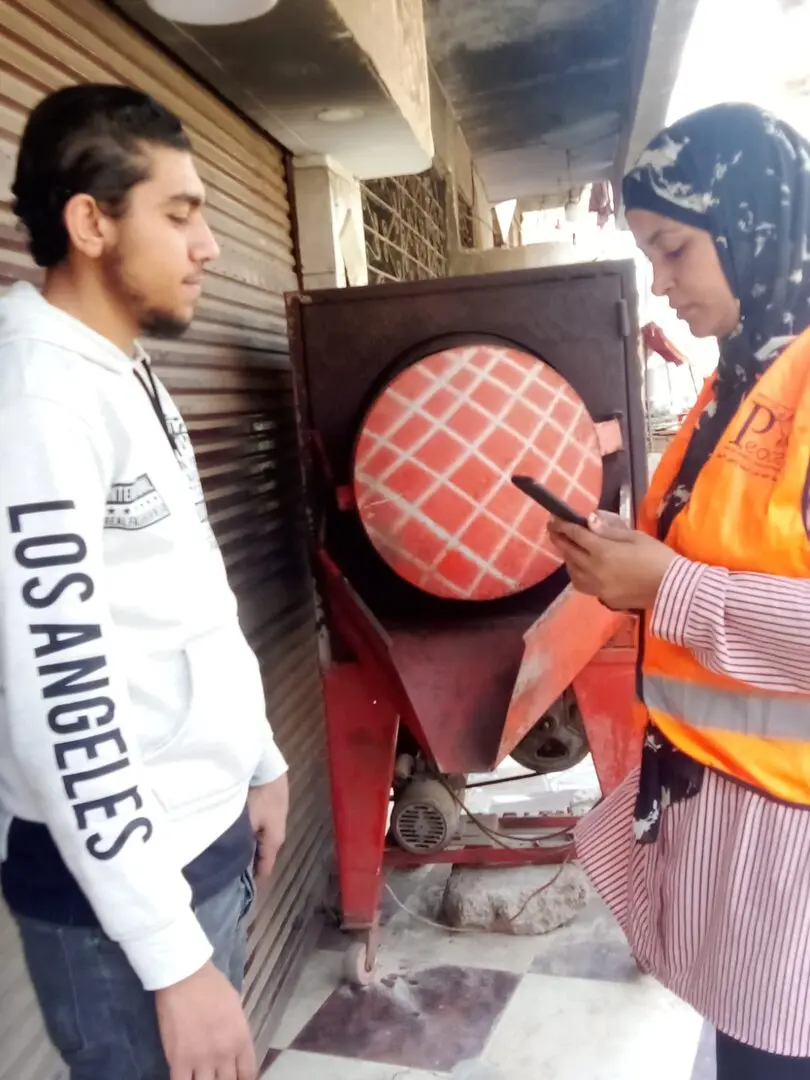
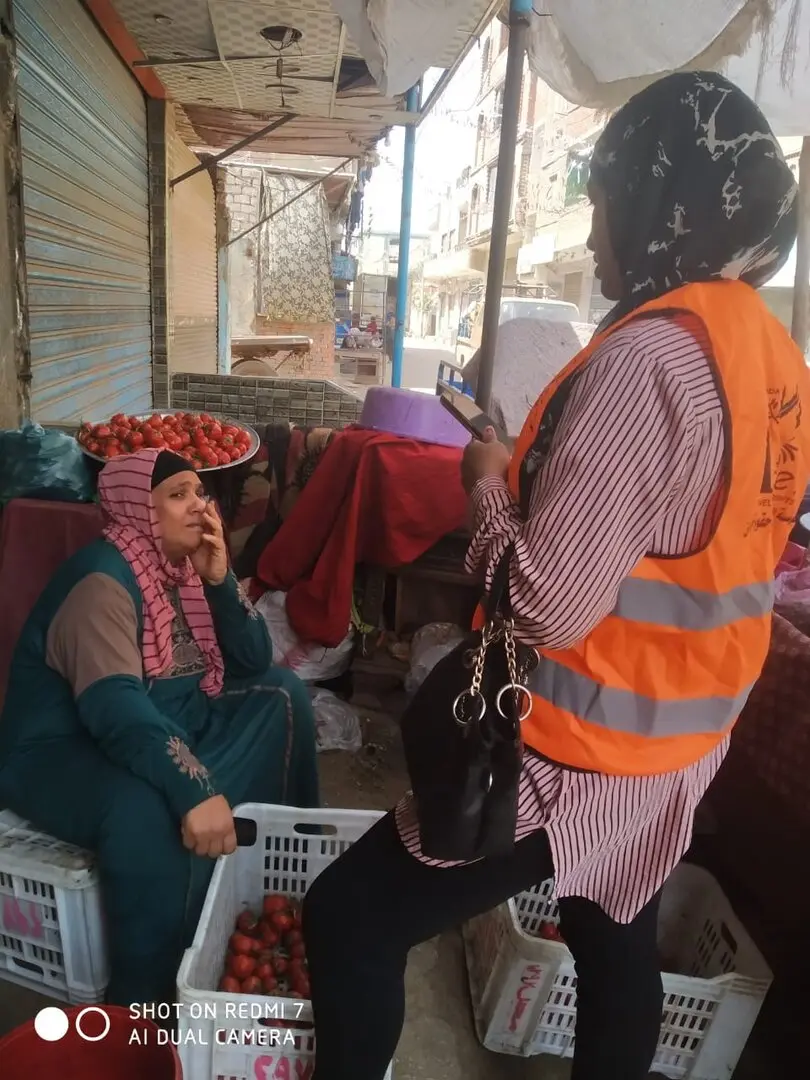
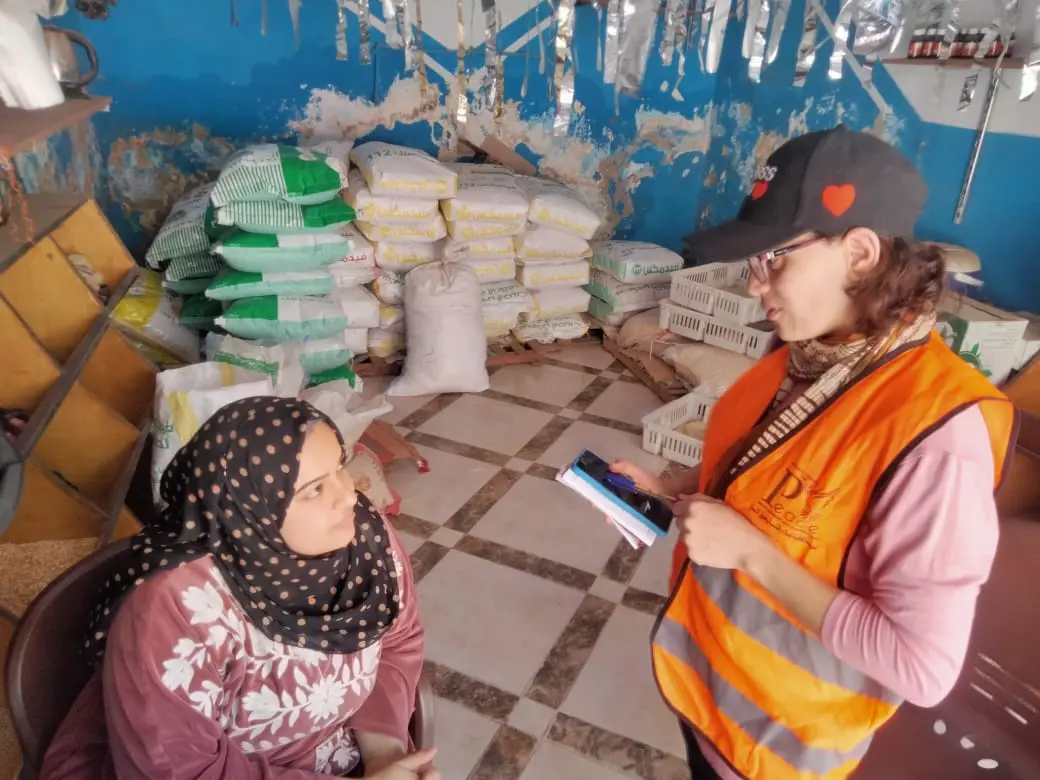
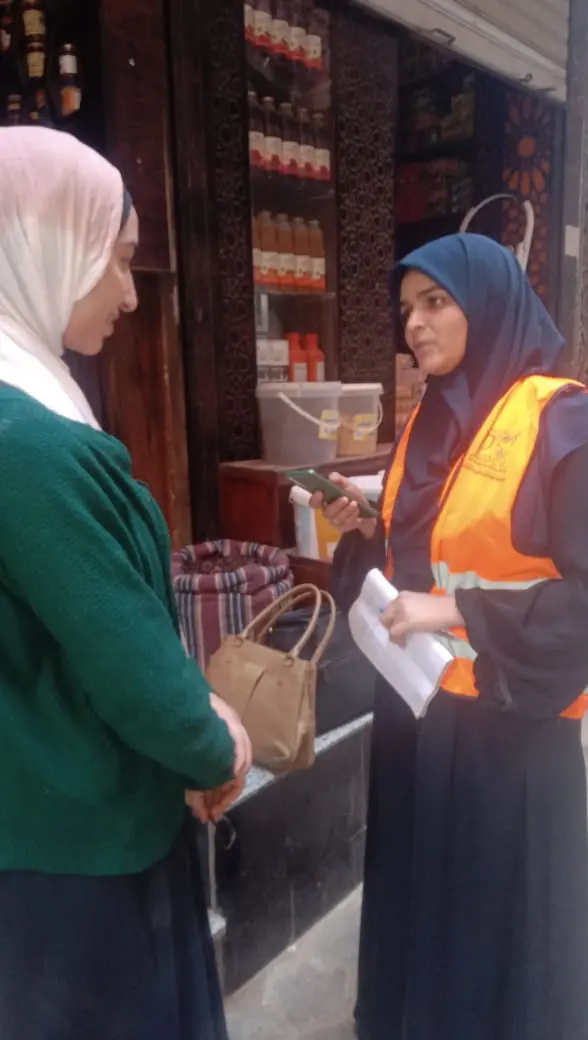
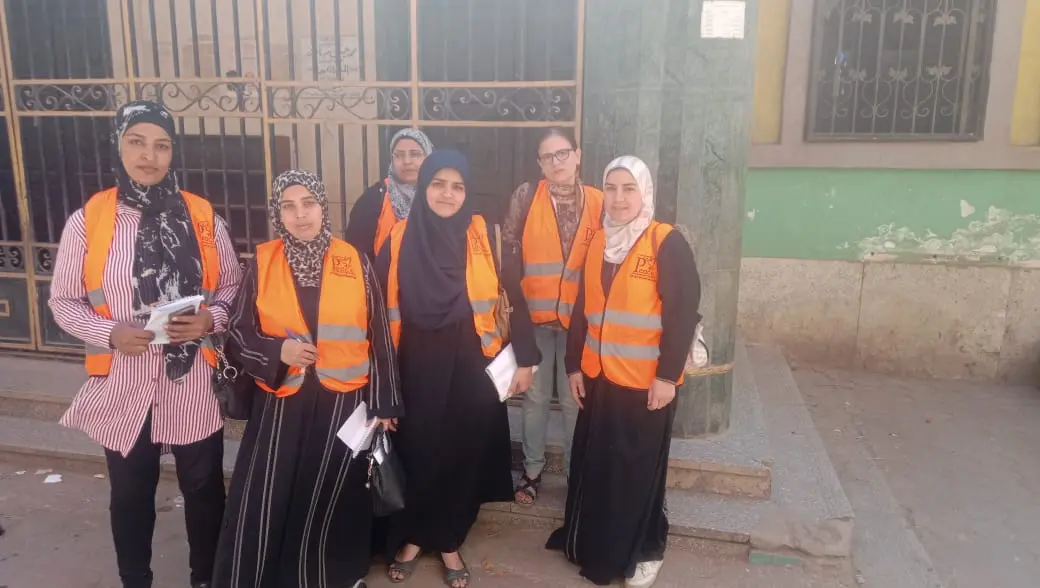
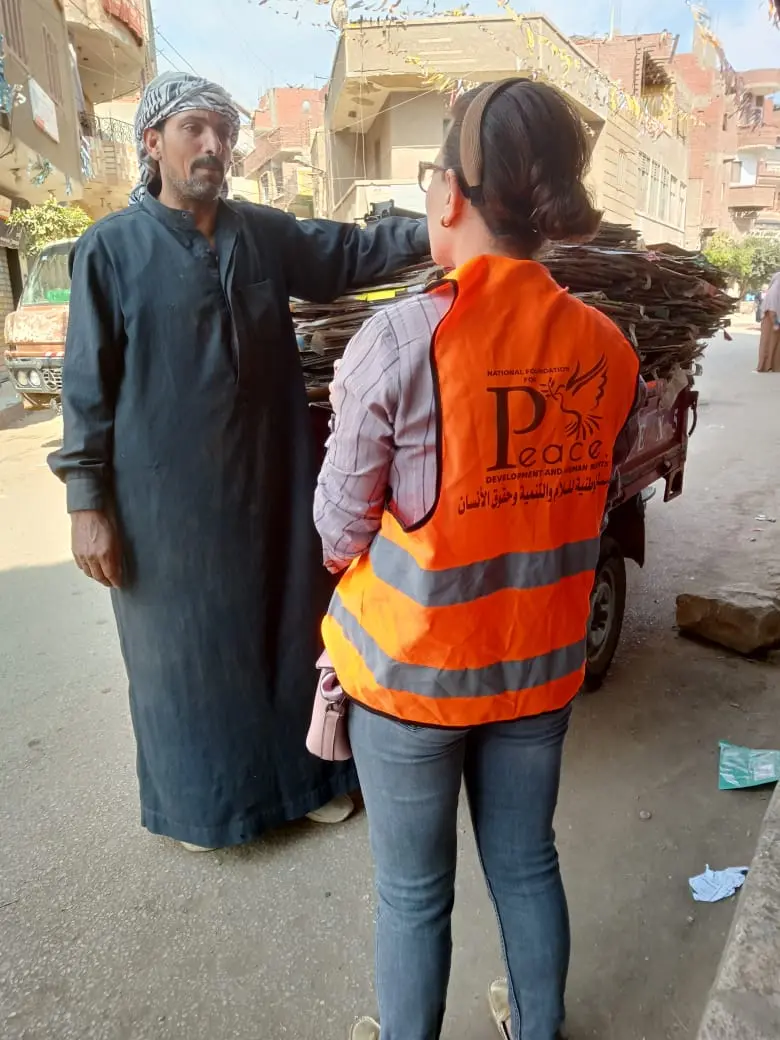
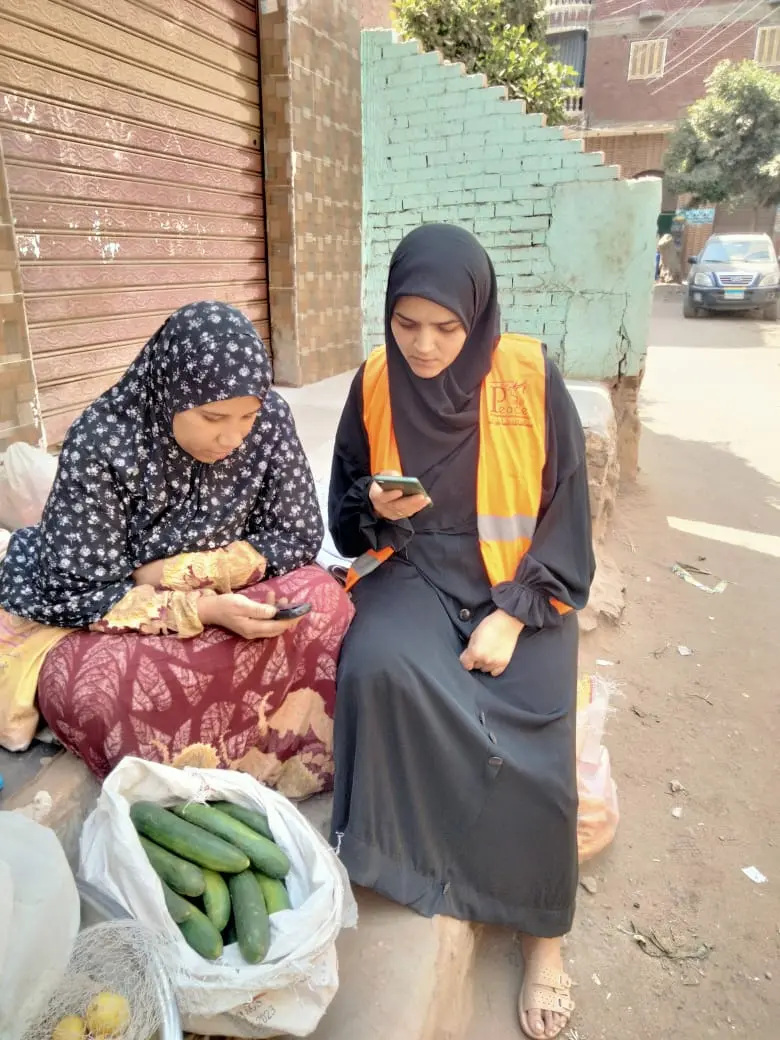
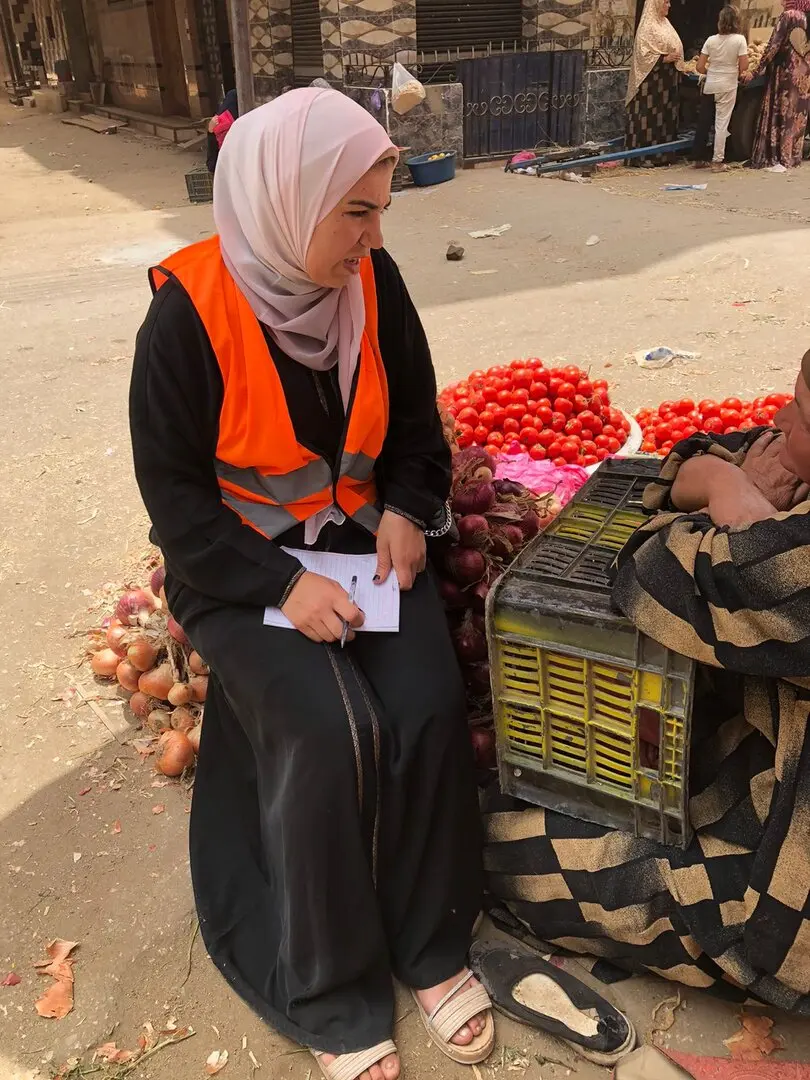
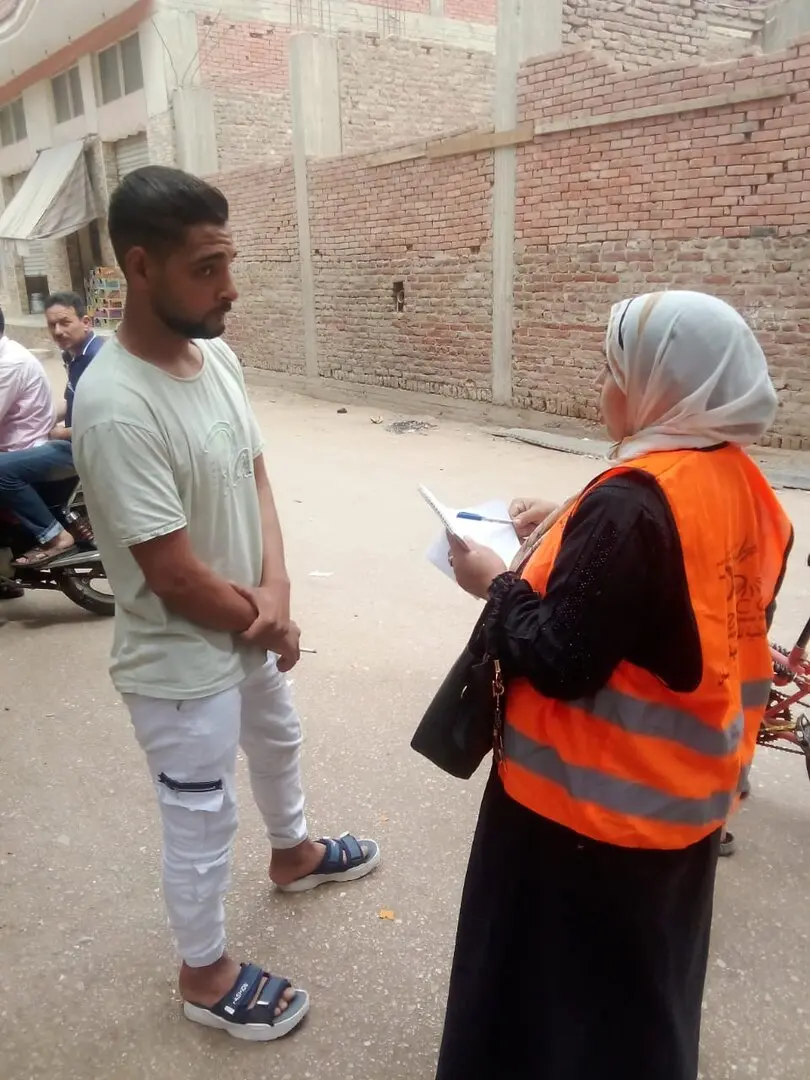
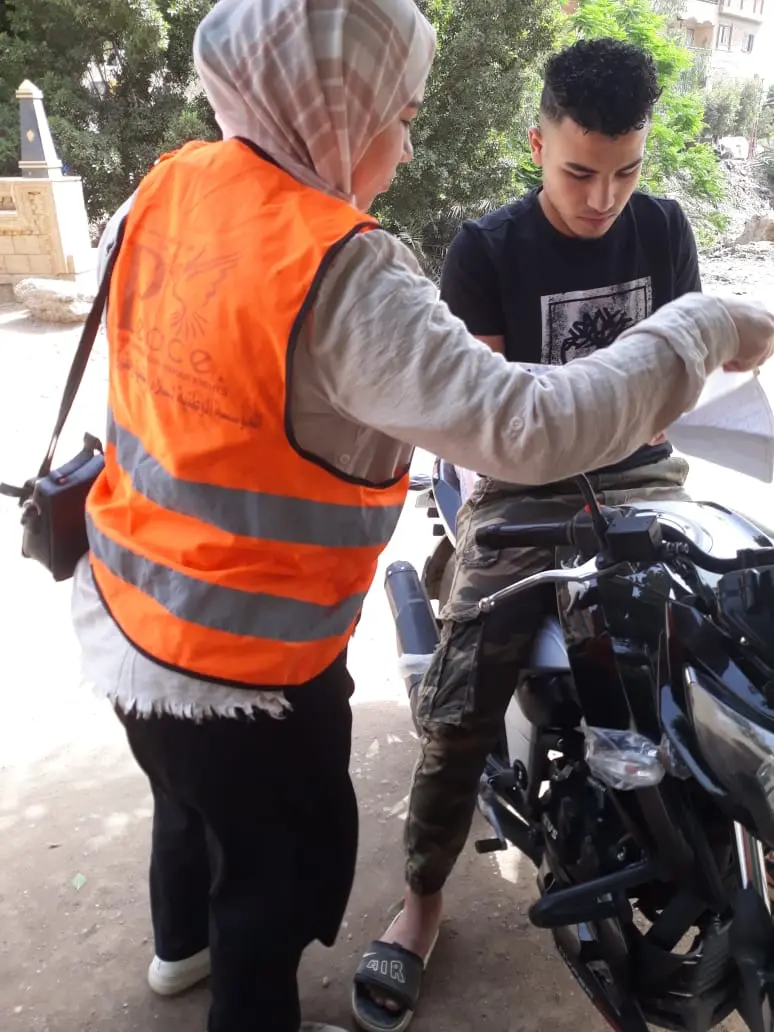
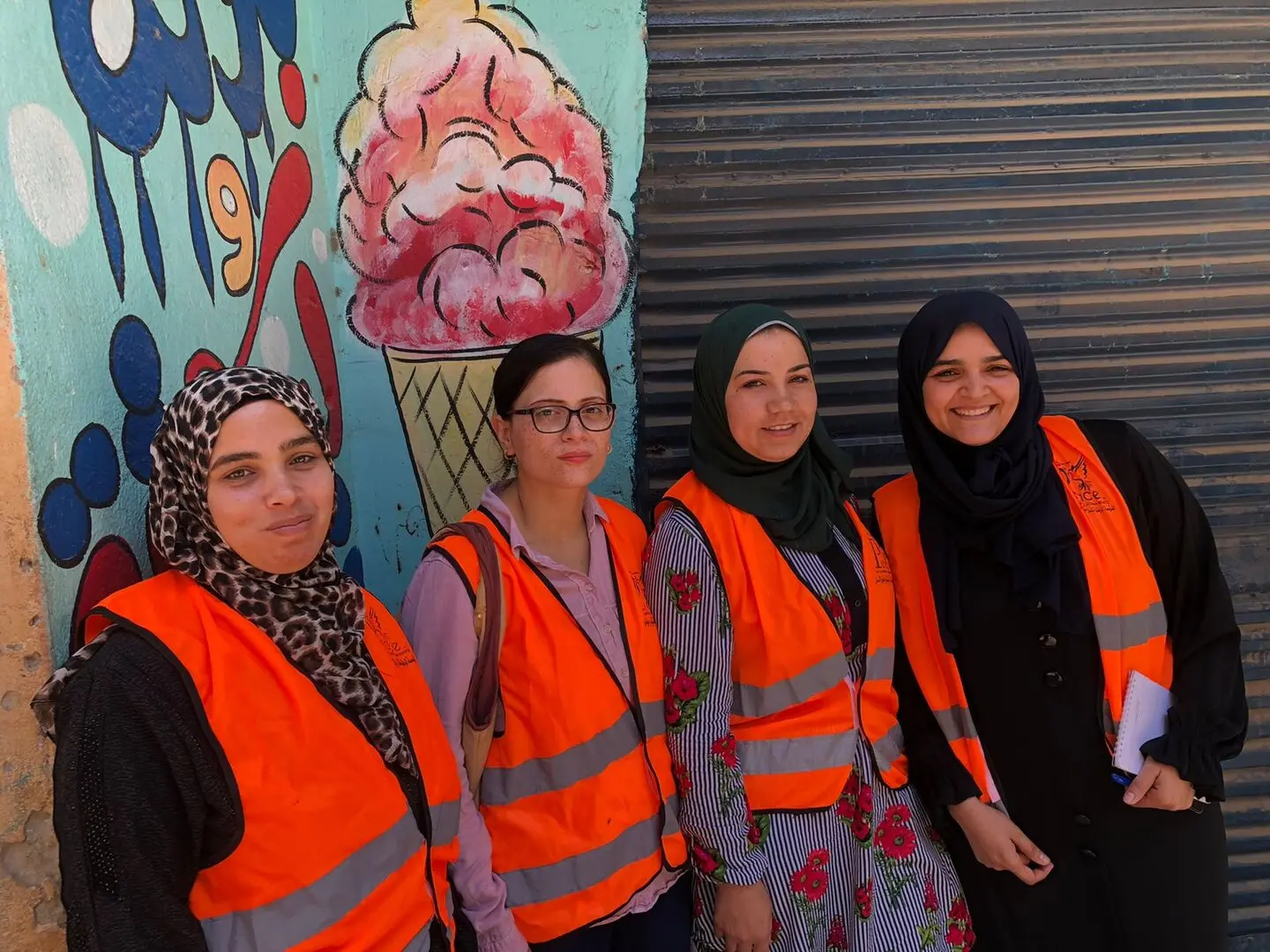
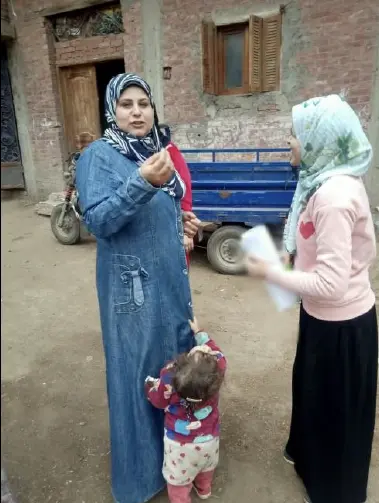
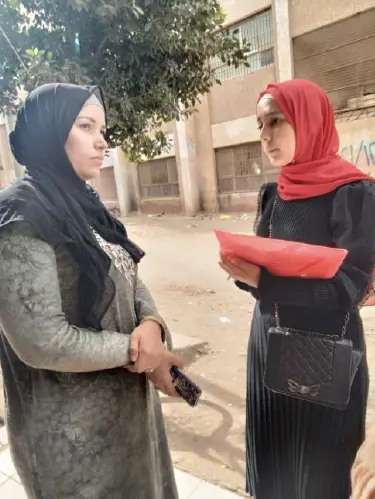
In parallel, the project implemented an integrated community awareness component that included field visits to 5,844 families across 12 villages. These visits aimed to raise awareness of the risks of irregular migration and promote safe alternatives, contributing to changes in prevailing perceptions and reducing the inclination toward irregular migration.
Additionally, 14 awareness seminars and events were organized, benefiting 520 people, with the participation of religious and community leaders. Their involvement strengthened the impact of awareness messages and increased their acceptance within the local community.
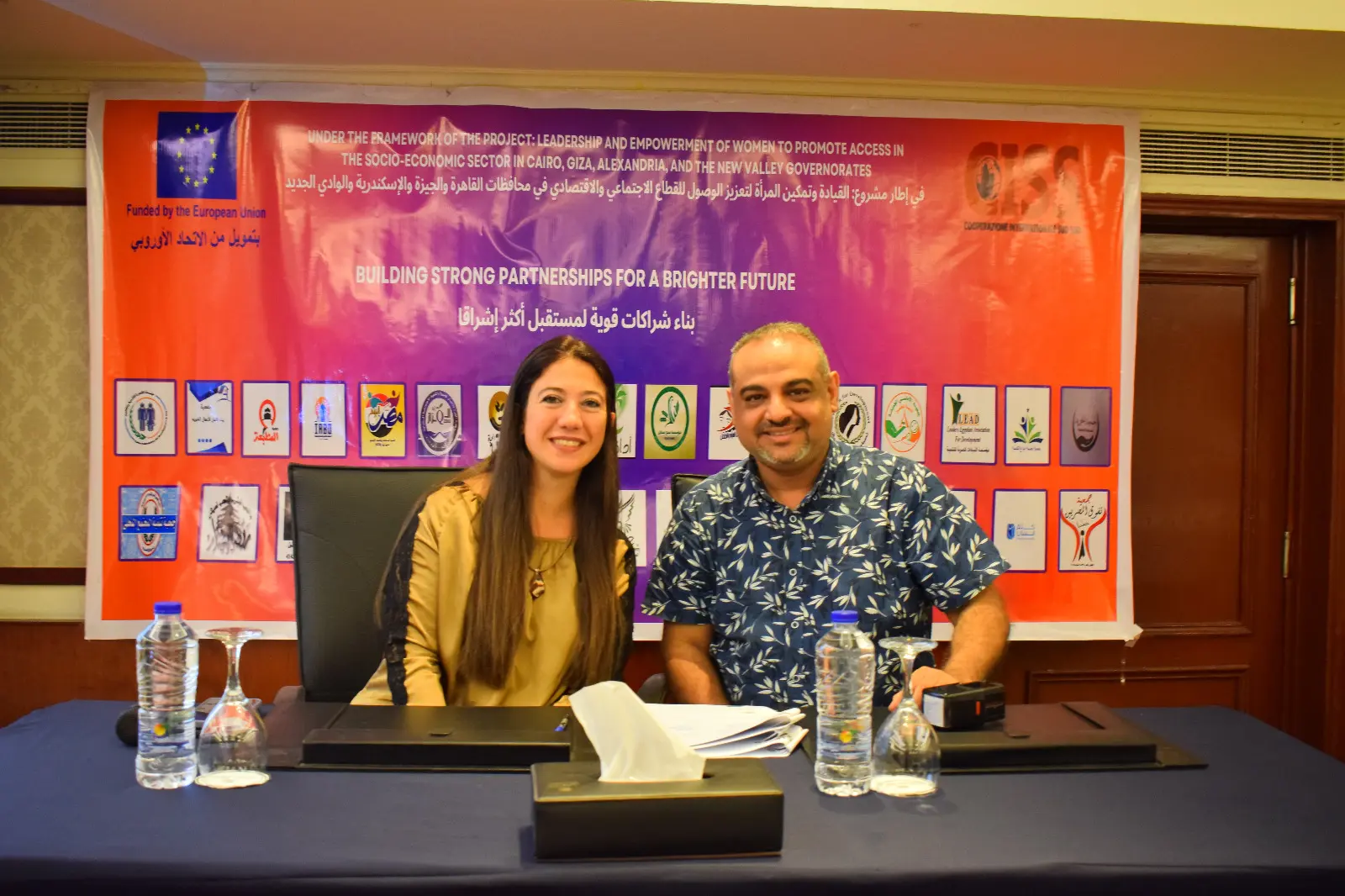
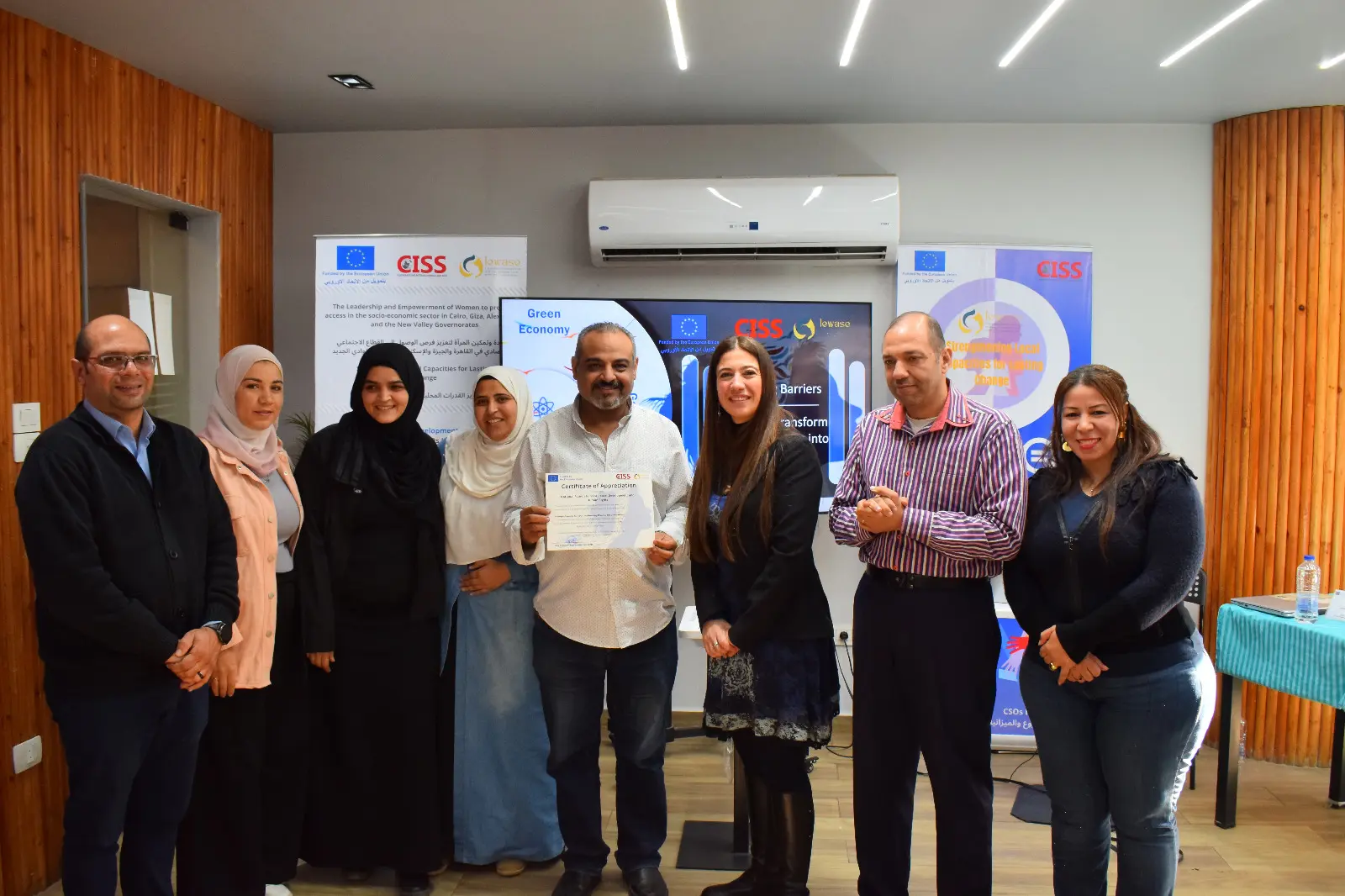
The National Foundation for Peace, Development and Human Rights participated in implementing the “Leadership and Empowerment” project across the governorates of Cairo, Giza, Alexandria, and New Valley, in technical partnership with the Italian organization South for South, over a period of two years. The project targeted girls and women up to the age of 35, aiming to promote their economic and social empowerment and expand their opportunities for integration into the labor market and entrepreneurship.
The project contributed to strengthening the Foundation’s institutional capacity by preparing its team to establish and manage Business Development Service (BDS) Centers in accordance with international standards for supporting small and micro-enterprises. The team received specialized training in preparing feasibility studies, developing business models, planning and project management, financial management, marketing, mentoring and coaching, supporting women’s entrepreneurship, building partnerships, and networking with supporting organizations. The training also covered the integration of digital transformation, green economy, and recycling concepts into the design and development of business projects.
Furthermore, the project strengthened the Foundation’s capacity to provide business development services and technical support to enterprises at different stages, from the initial idea through establishment and expansion. This included follow-up and post-launch mentoring, as well as connecting women beneficiaries with funding sources, markets, and supporting organizations. These efforts contributed to increasing the prospects for success and sustainability of economic enterprises and improving the livelihoods of women beneficiaries.
Through this experience, the Foundation has developed a qualified team capable of providing business development services and implementing economic empowerment and entrepreneurship programs in accordance with international best practices.
The National Foundation for Peace, Development and Human Rights Organizes a Job Fair in Cooperation with Etgah for Employment
As part of its efforts to promote the economic empowerment of young people and improve their access to the labor market, the National Foundation for Peace, Development and Human Rights organized a job fair in cooperation with Etgah for Employment, with the participation of 40 male and female beneficiaries. The event aimed to connect job seekers with available employment opportunities in the tourism and hospitality sector, one of the promising sectors for providing job opportunities for young people.
The job fair introduced participants to available vacancies, application requirements, and required qualifications. These included university graduates from various disciplines and graduates of intermediate-level tourism and hotel education programs, targeting young men and women within the age groups specified by the employers.
The accompanying training program was also presented. It includes 12 days of theoretical training, followed by three months of practical training at a hotel, enabling participants to acquire the technical skills and practical experience required to enter the labor market and increase their chances of securing decent and sustainable employment.
This job fair forms part of the Foundation’s efforts to implement economic empowerment programs by building partnerships with employment organizations and the private sector, enhancing young people’s employability, and supporting their transition into productive employment opportunities that contribute to improving income levels and achieving economic and social stability.
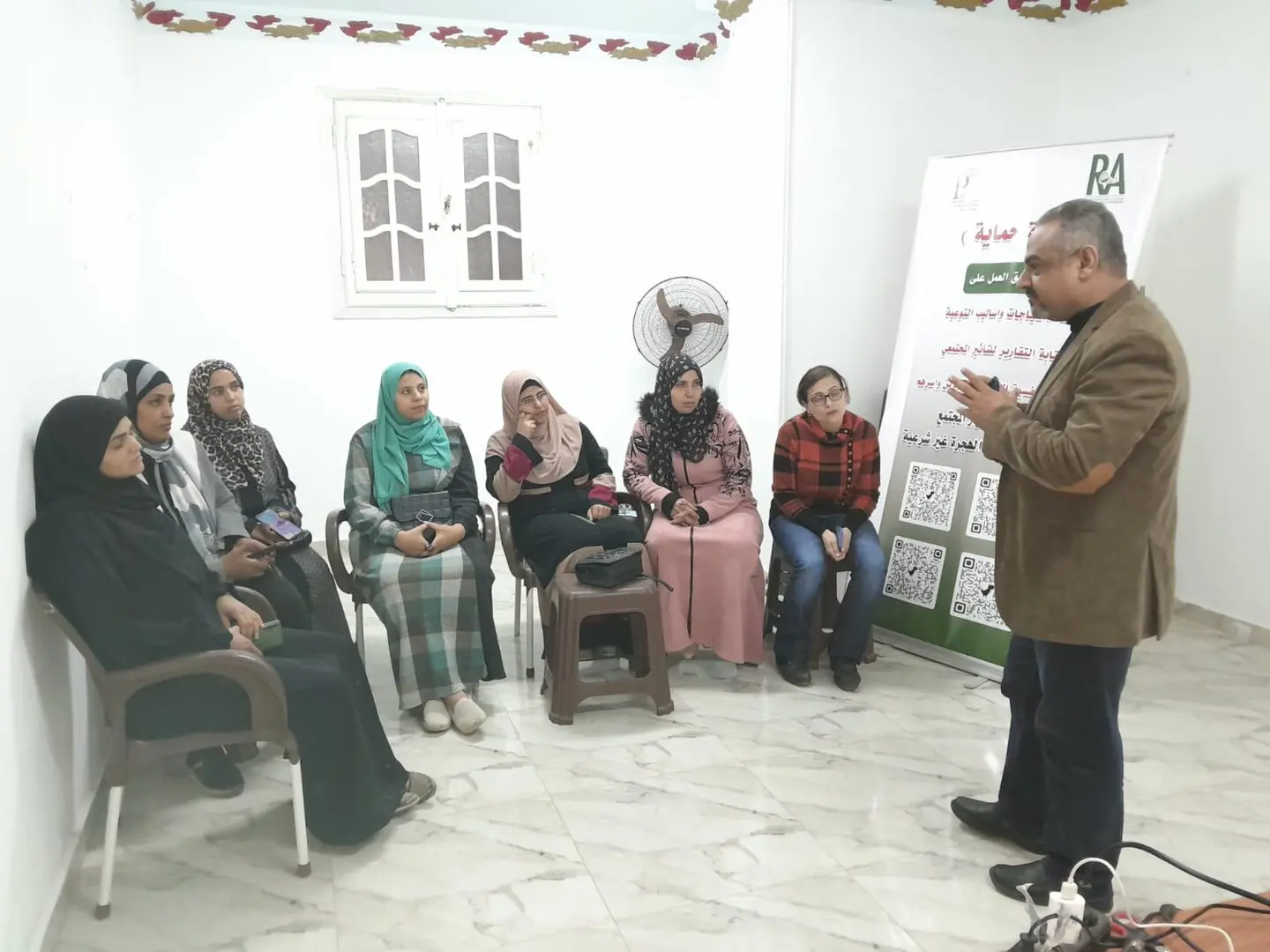
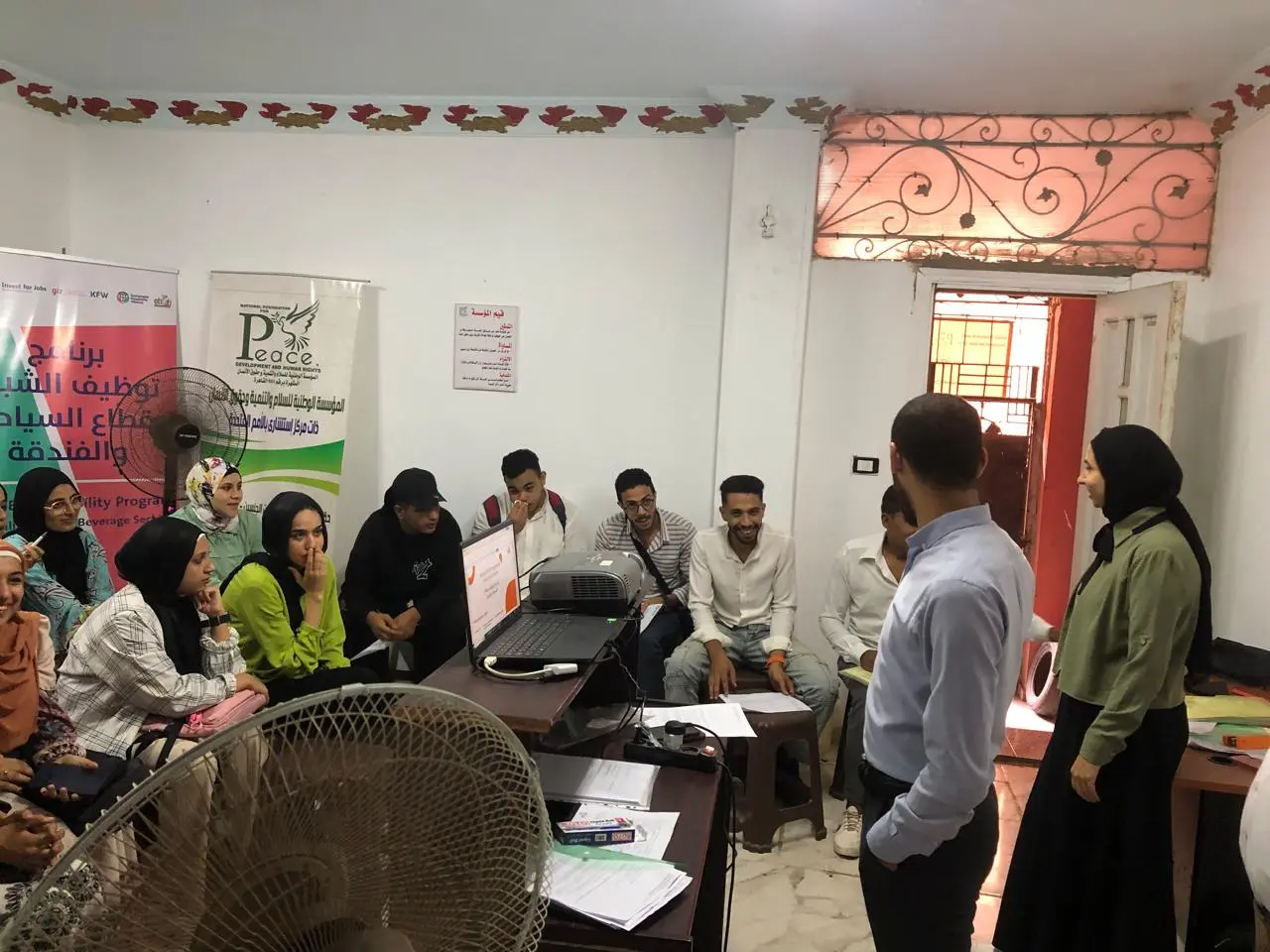
Economic empowerment is the initiative’s core pillar. Individual empowerment plans are developed for each beneficiary based on the findings of the baseline assessment. These plans connect beneficiaries with vocational and handicraft training programs, digital skills development, entrepreneurship training, career counseling and guidance, and support for establishing micro and small enterprises. Beneficiaries are also linked to decent employment opportunities in cooperation with the private sector. In addition, the initiative facilitates access to microfinance services, savings programs, and financial inclusion services, thereby strengthening economic independence and livelihood stability.
The initiative also adopts an integrated monitoring, evaluation, and impact measurement system to track changes in income levels, employment opportunities, business sustainability, and beneficiaries’ intentions to engage in irregular migration. This system ensures the continuous improvement of interventions and maximizes their developmental impact.
Through this integrated model, the Foundation seeks to transform young people from a group vulnerable to the risks of irregular migration into an active and productive force contributing to local economic development. This approach strengthens family stability, reduces the factors driving migration, and reinforces the concept of finding opportunities within one’s own country as an alternative to irregular migration.